Between Teatro alla Scala, Galleria Vittorio Emanuele II, and the Duomo, a new example of interior architecture has emerged that captures the evolution of contemporary workspace design. Tétris has created the new Milan headquarters for Zurich Italia and Zurich Bank, a leading Swiss insurance and banking group. In an exceptional location at 11 via Santa Margherita, the project celebrates the meeting of tradition and future vision, transforming 7,000 square meters into a modern work ecosystem.
Zurich's decision to bring its headquarters back to Milan's vibrant heart reflects a desire to re-establish roots in the city's most iconic urban fabric and become a landmark for Milan itself.
The building's interiors—spanning 6 above-ground floors, one mezzanine level, and three basement levels—have been completely transformed through a process requiring 5 months of architectural design and 8 months of construction.
Tétris managed every aspect of the interior design project through an integrated approach, handling everything from initial concept to final installation, from custom furniture procurement to overseeing every construction detail.
The project involved particularly complex structural and systems work to adapt the shell floors, along with fit-out interventions for Cat A delivery. The solutions were specifically designed to harmonize the existing structure with architectural creativity and operational needs while preserving the building complex's integrity and equipping it with all the infrastructure required for a modern headquarters.
An ecosystem for diverse work experiences
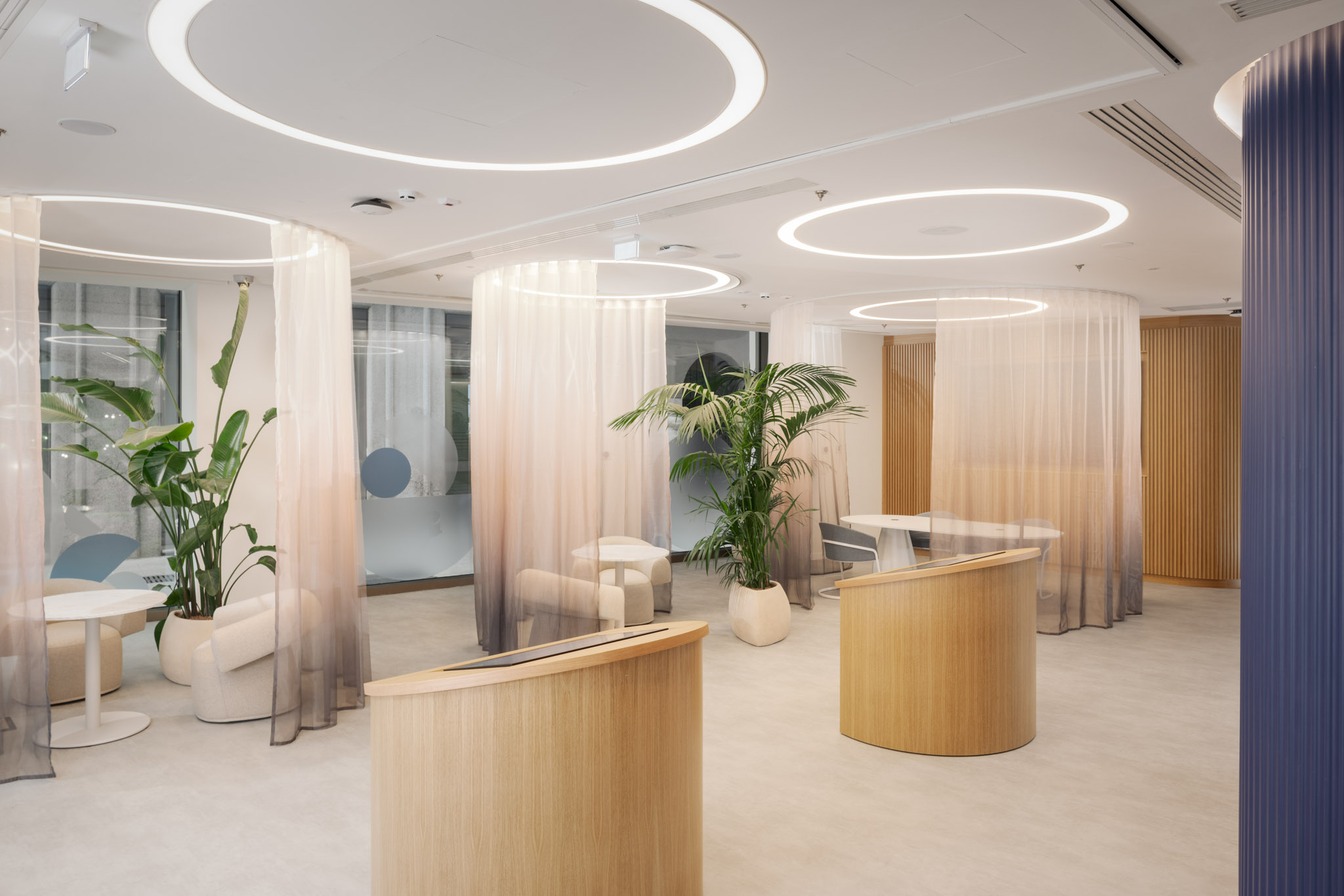
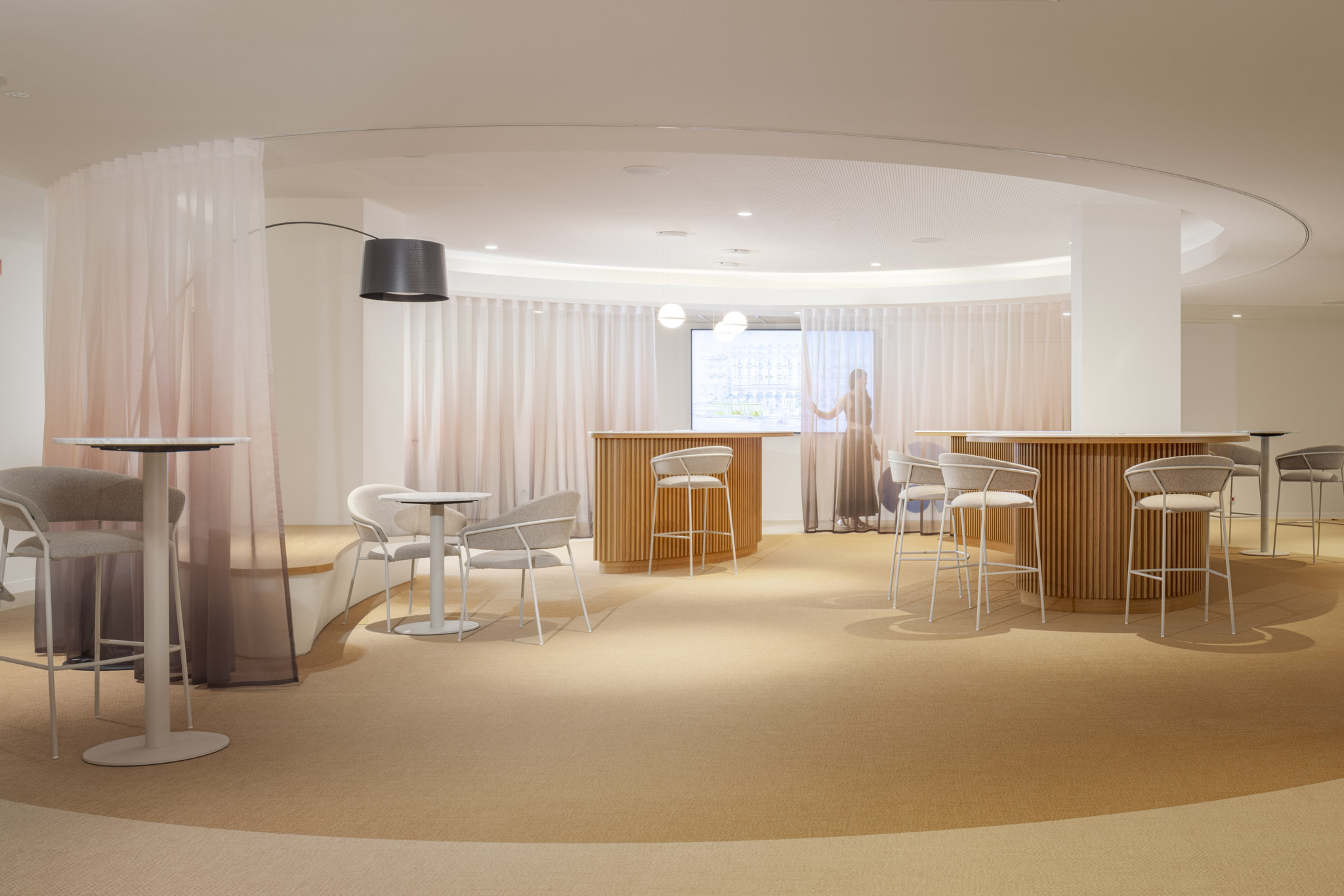
The spatial layout reveals a thoughtful architectural strategy where each floor addresses specific functional requirements within a dynamic environment that connects with the surrounding urban context. The ground floor serves as the welcoming heart of the building, creating a spacious environment where Zurich's Client Hub comes to life through the reception area, digital corner, and central lounge. These elements work together to immediately communicate corporate values and brand identity, reflecting both the company's stability and its embrace of change.
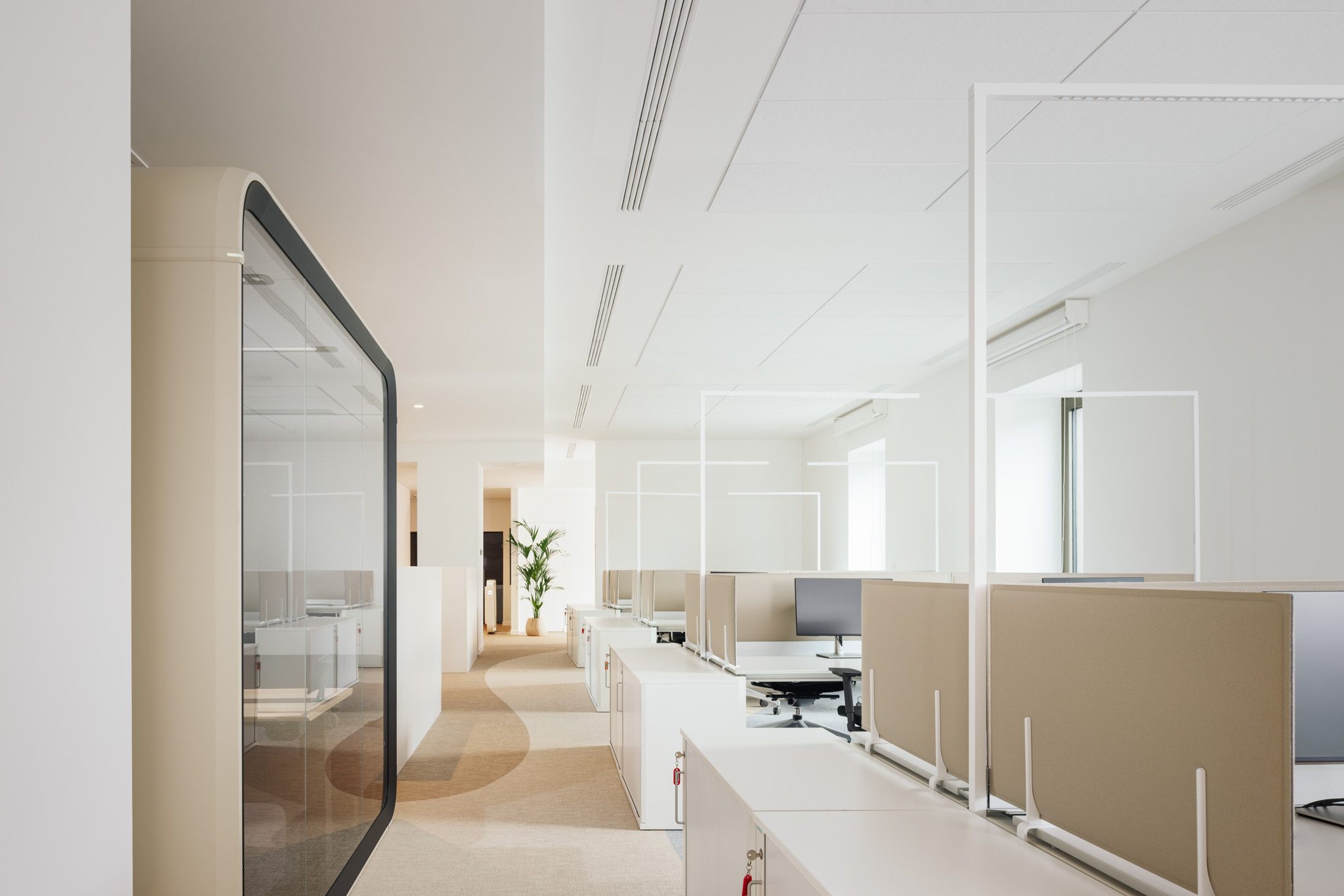
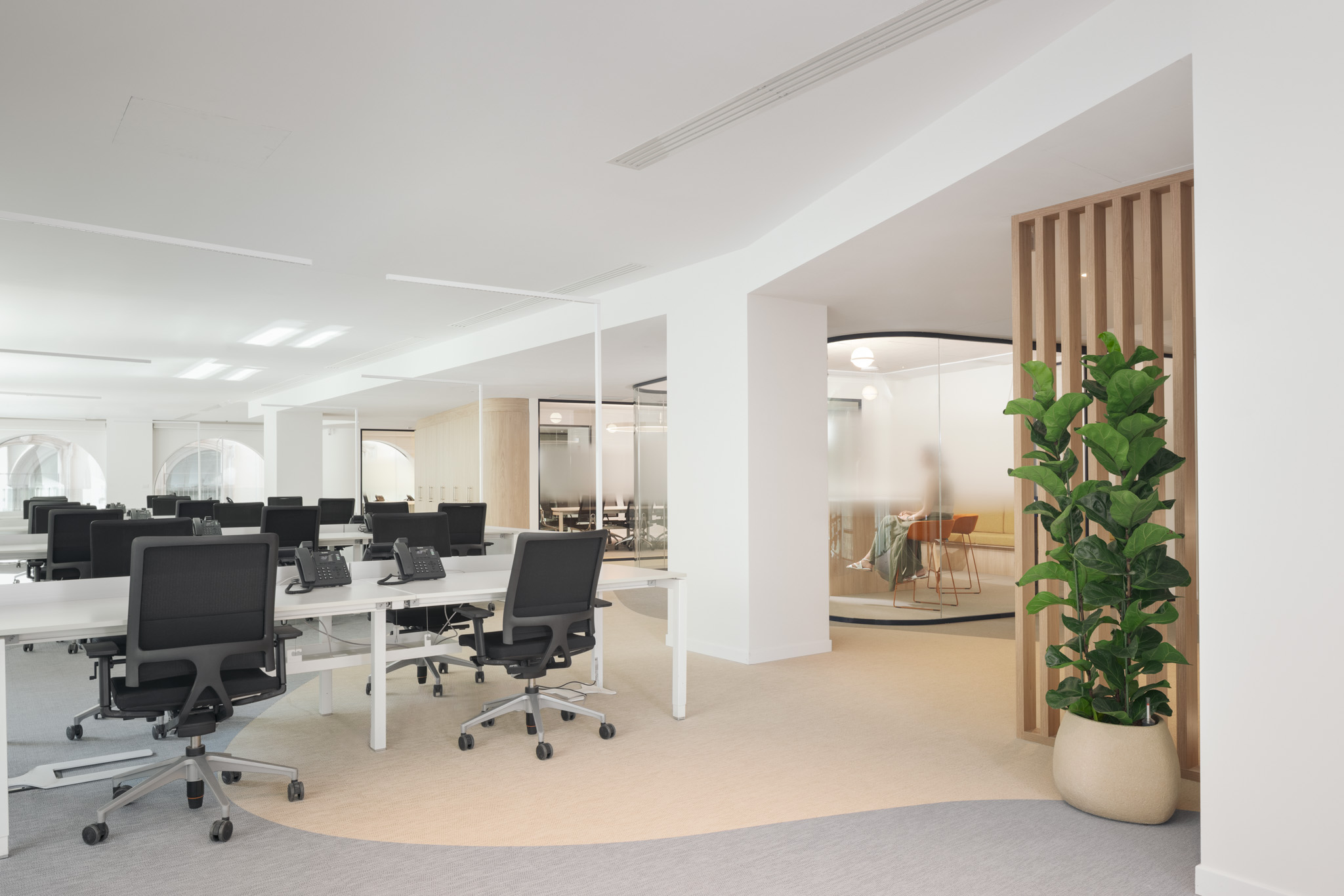
The operational levels—spanning the first through third floors—house an adaptable work ecosystem featuring meeting rooms, offices, focus rooms, break areas, and configurable spaces that accommodate collaborative work, concentrated tasks, and individual activities. The fourth floor houses executive meeting rooms and management offices, while the fifth level features the striking Zurich Lounge, an elegant and sophisticated space for high-profile events and meetings. This level includes a glazed terrace that opens onto privileged panoramic views of Milan's skyline, creating a meaningful connection between the building's interior and the city's rich historical and architectural heritage. The basement Conference Center provides expansive space with a work-café and training rooms, completing the offering with modular areas designed for events, workshops, and educational activities.
A concept that transcends spatial architecture
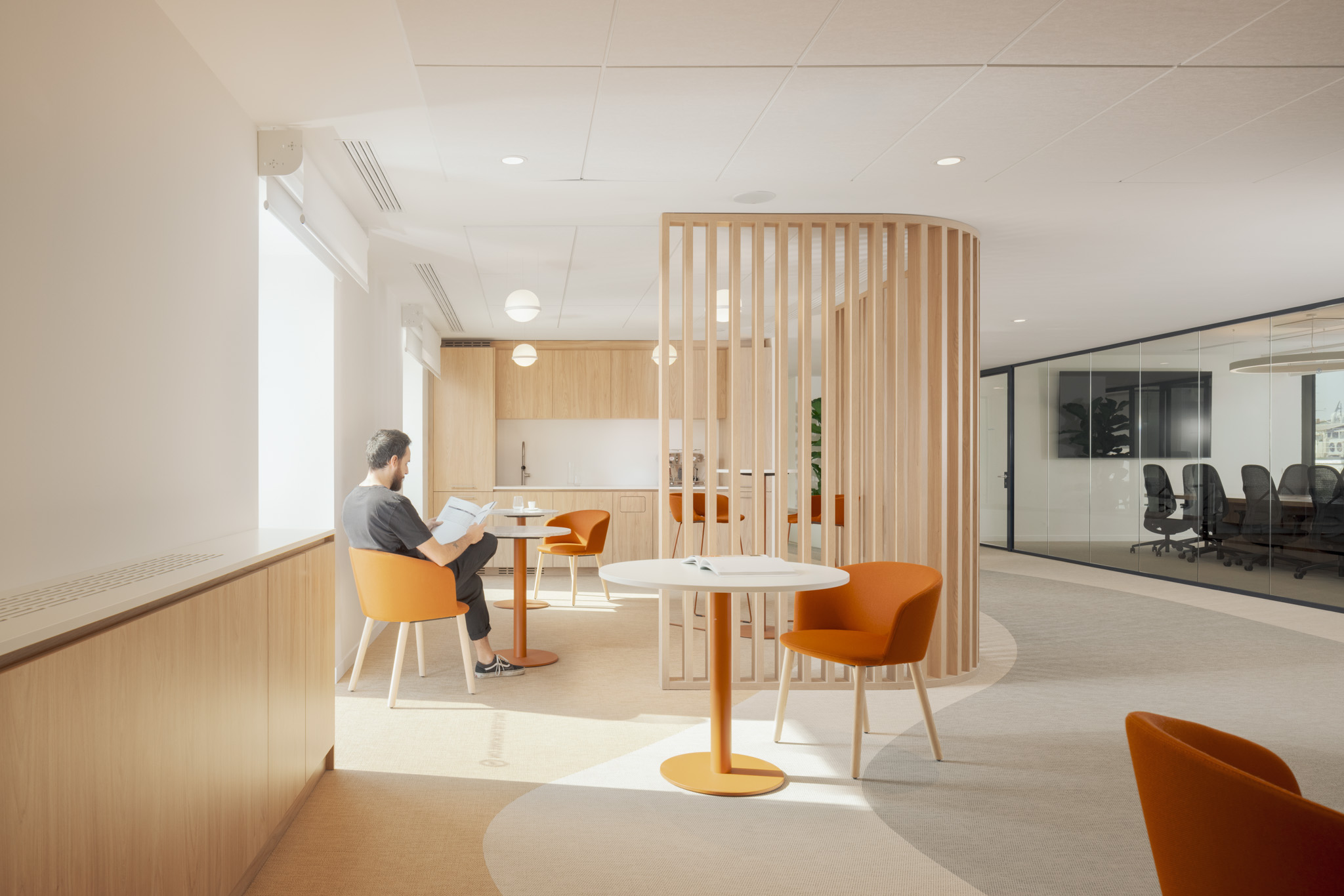
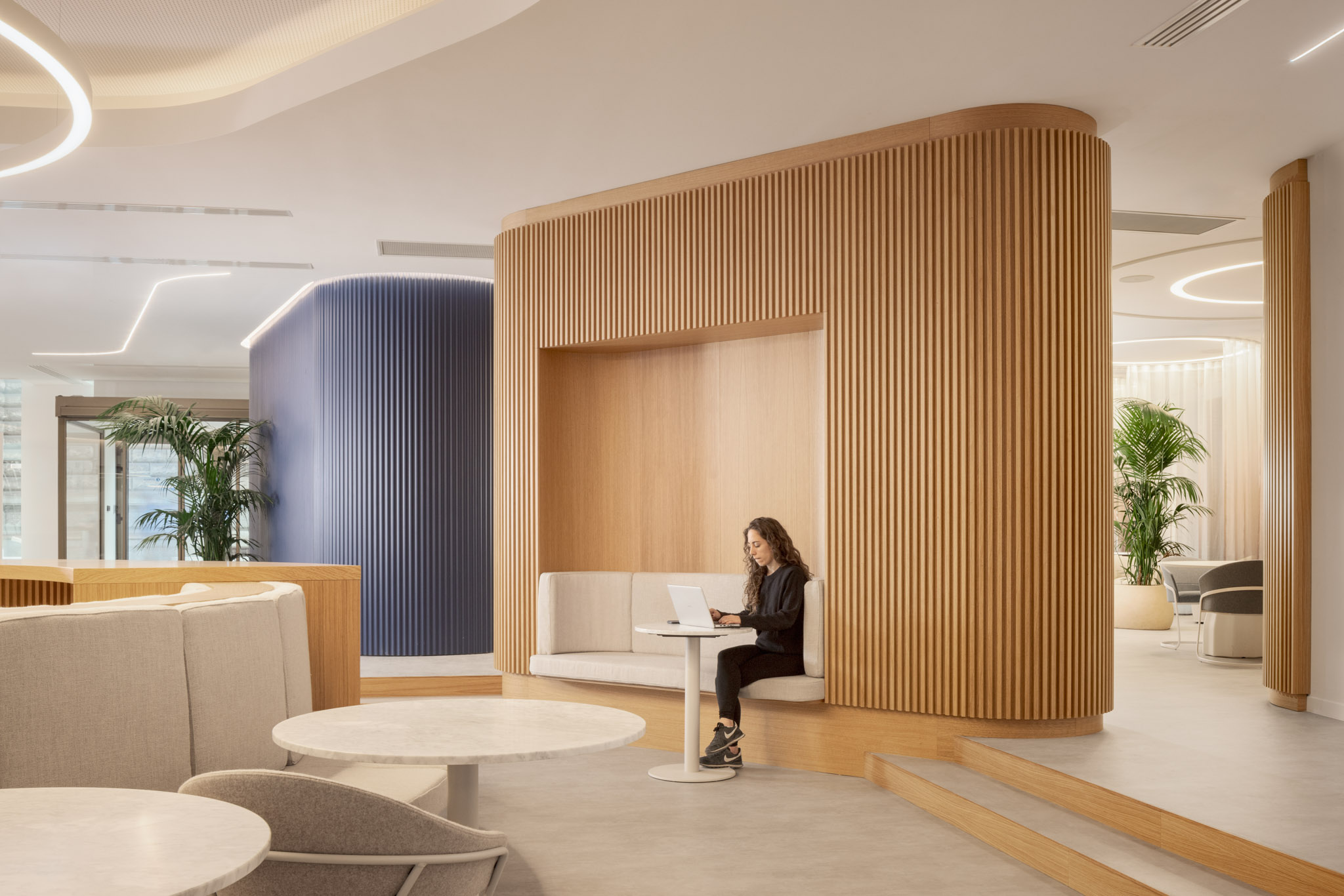
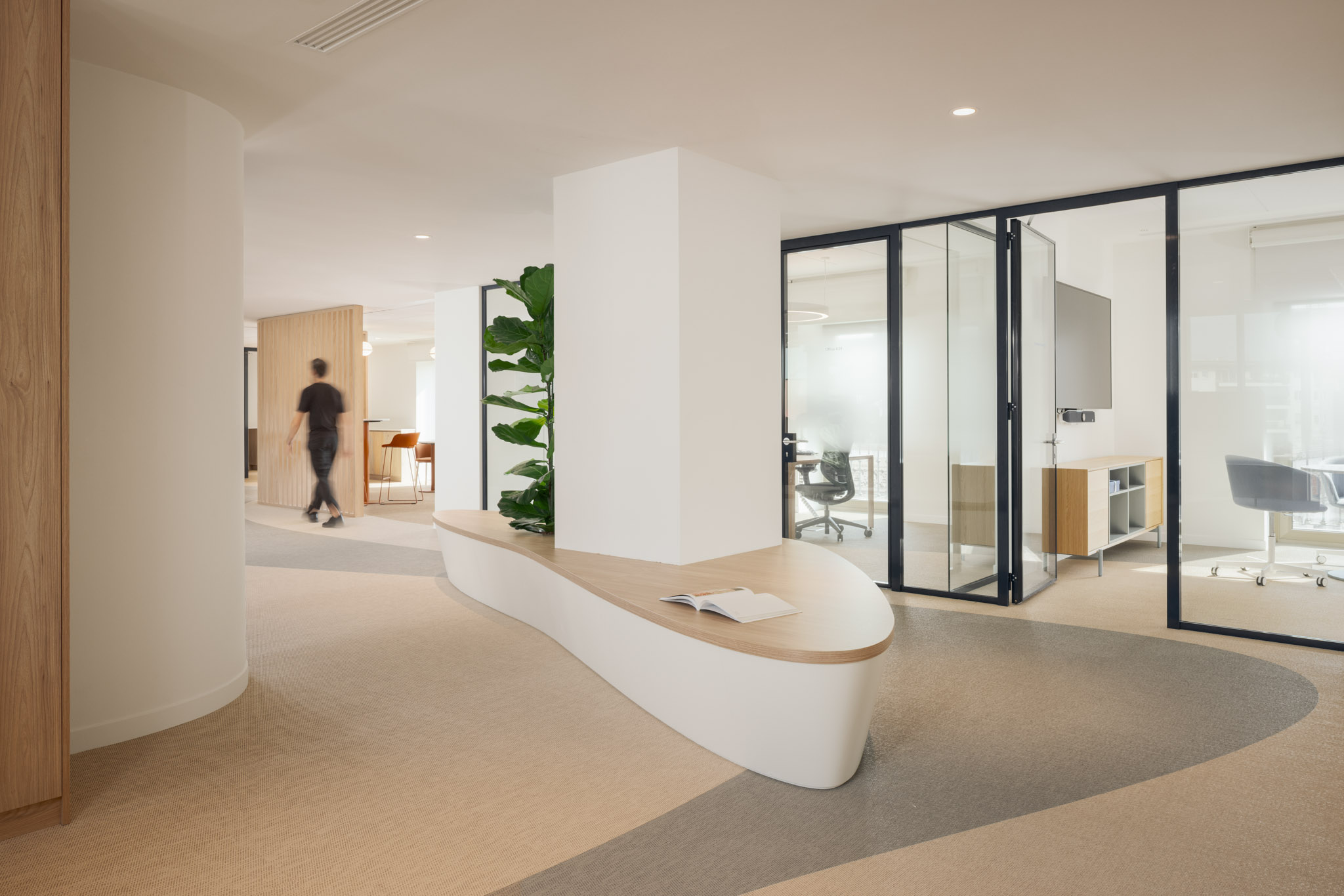
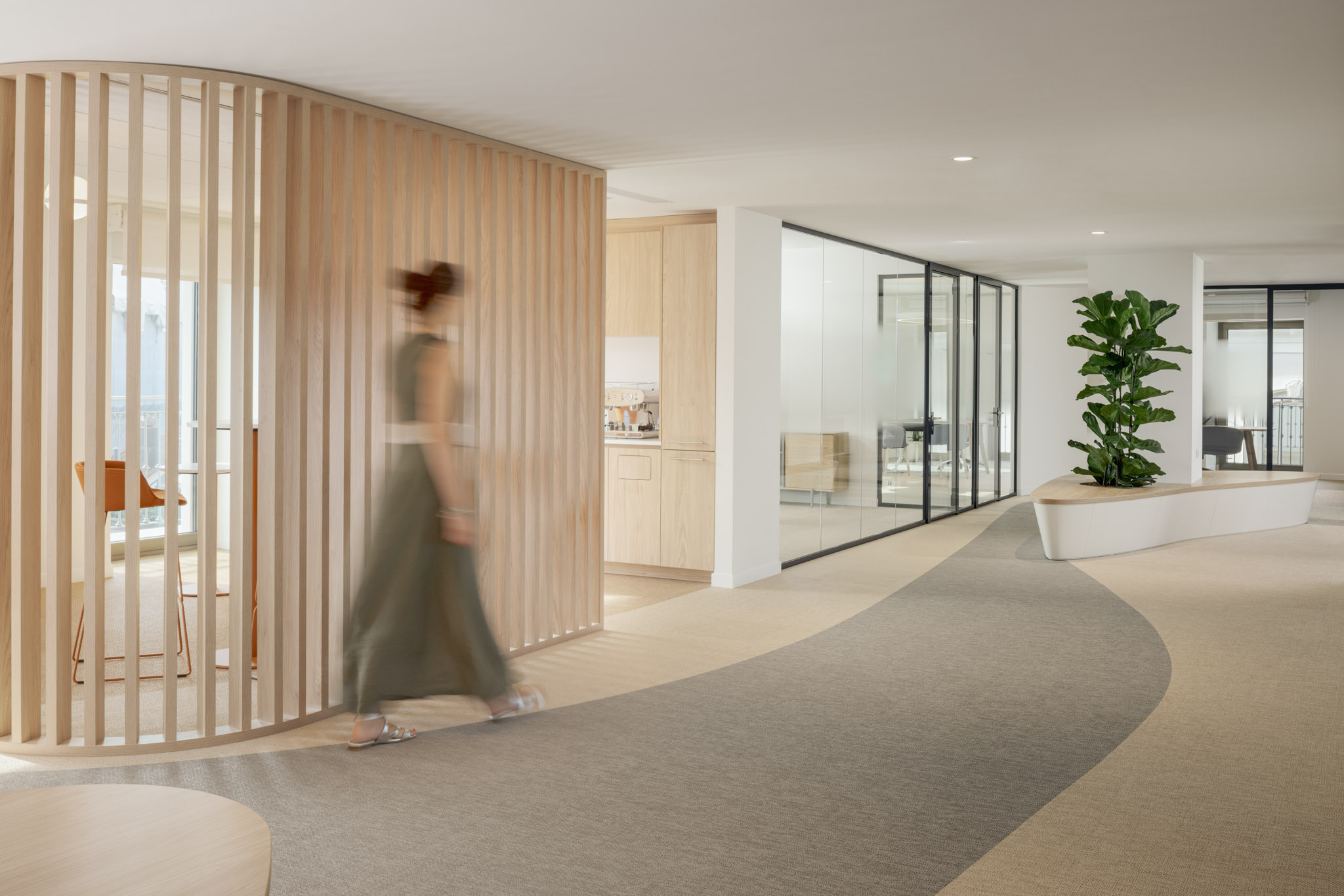
The project's central theme is the functional versatility of interior spaces, which characterizes every floor of the building and aims to create environments that are both unique and open. These spaces are conceived to meet evolving usage needs while offering maximum organizational flexibility. The design philosophy stands out through its organic approach, where every architectural element contributes to a narrative inspired by aquatic and natural worlds. This concept materializes through flowing layouts that evoke the movement of water and sand dunes, featuring fluid geometric flooring, walls with softly rounded corners, and curvilinear ceilings enriched by dramatic lighting fixtures that transform the space into an inviting and distinctive environment.
This organic vision flows through every level of the building, influencing both the functional distribution of spaces and material selection. The curved forms found in partitions, furnishings, and custom millwork go beyond aesthetic considerations—they represent thoughtful solutions designed to achieve perfect balance between visual beauty and operational functionality, where every detail supports knowledge exchange, collaboration, and comfort.
Nature as a design foundation
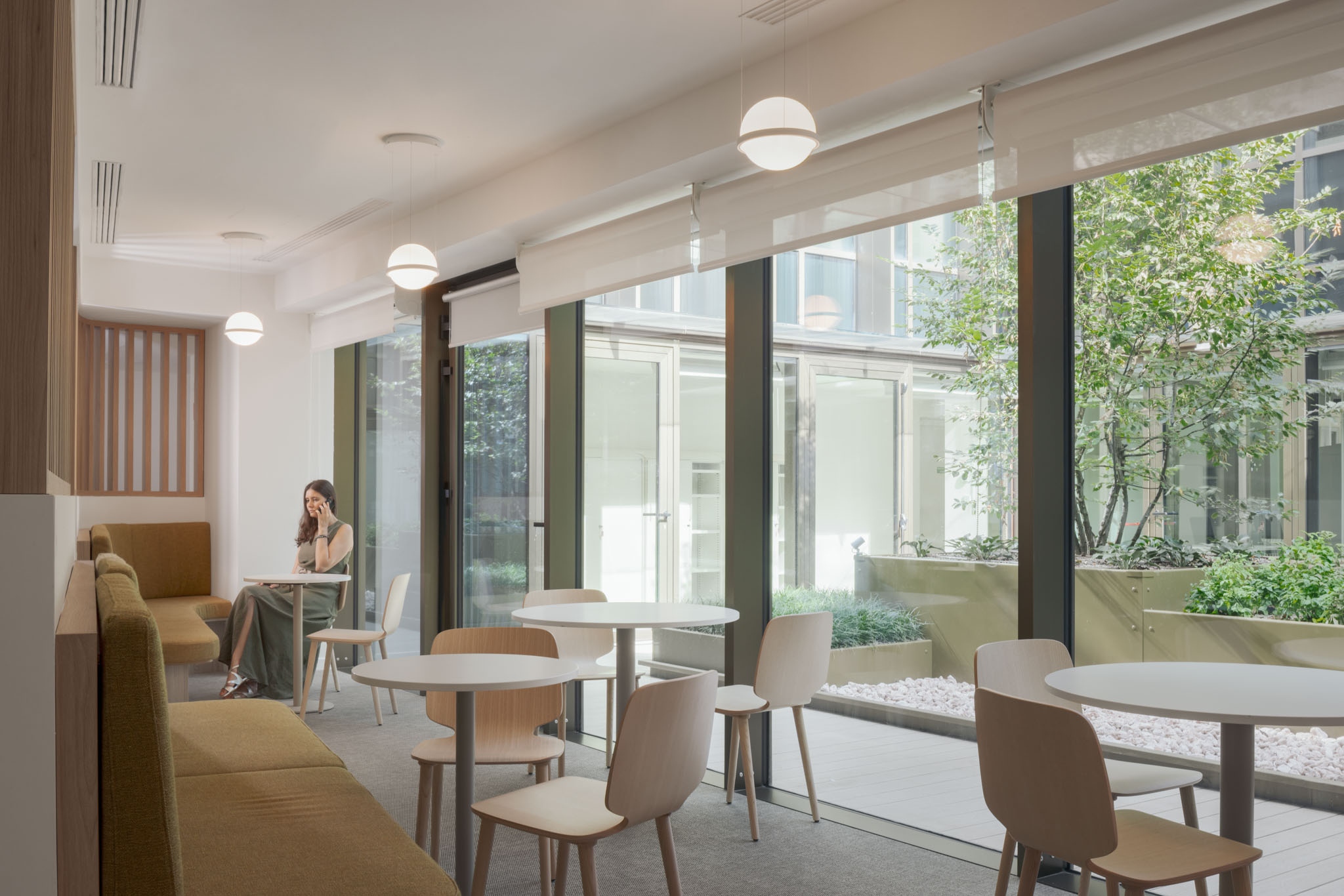
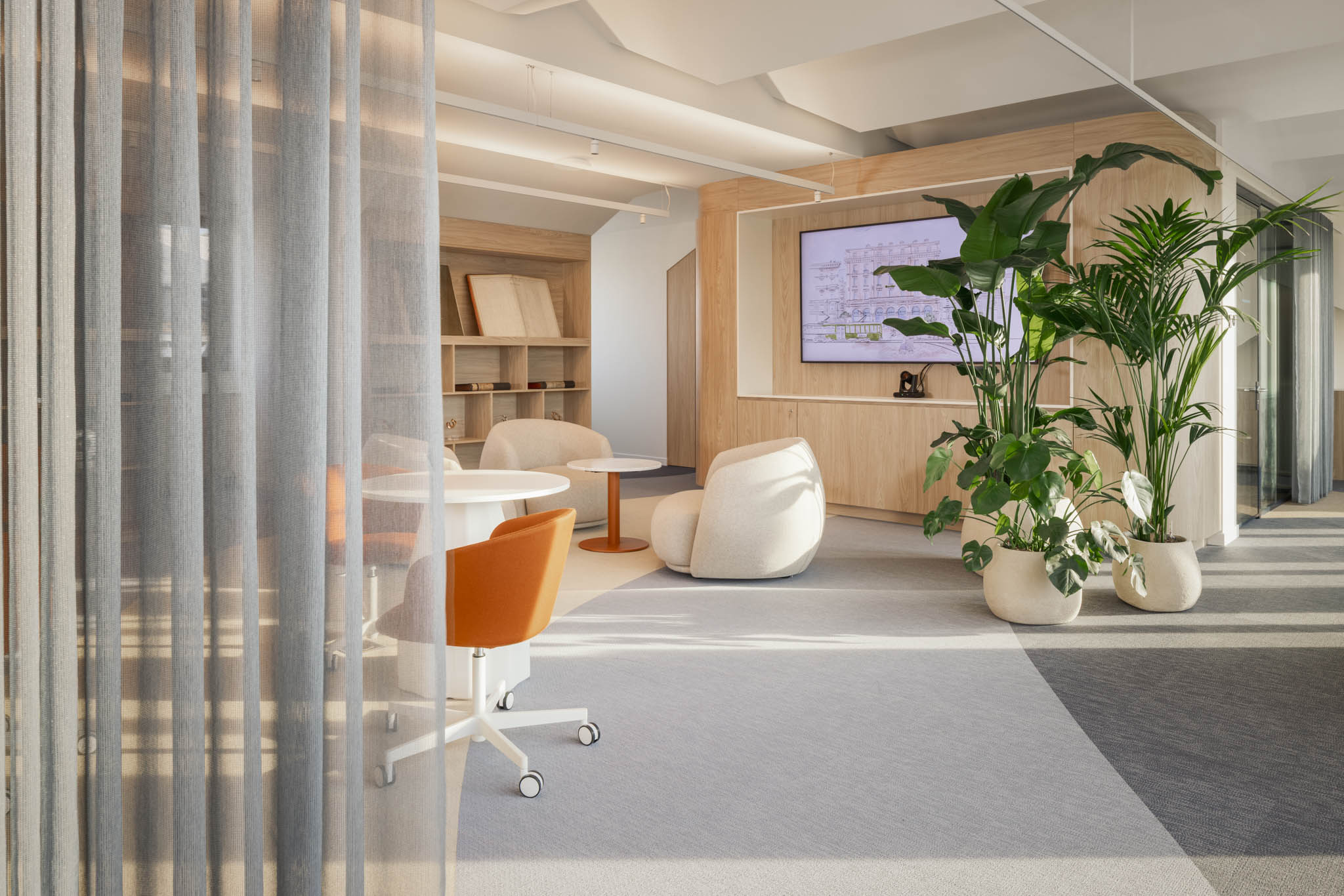
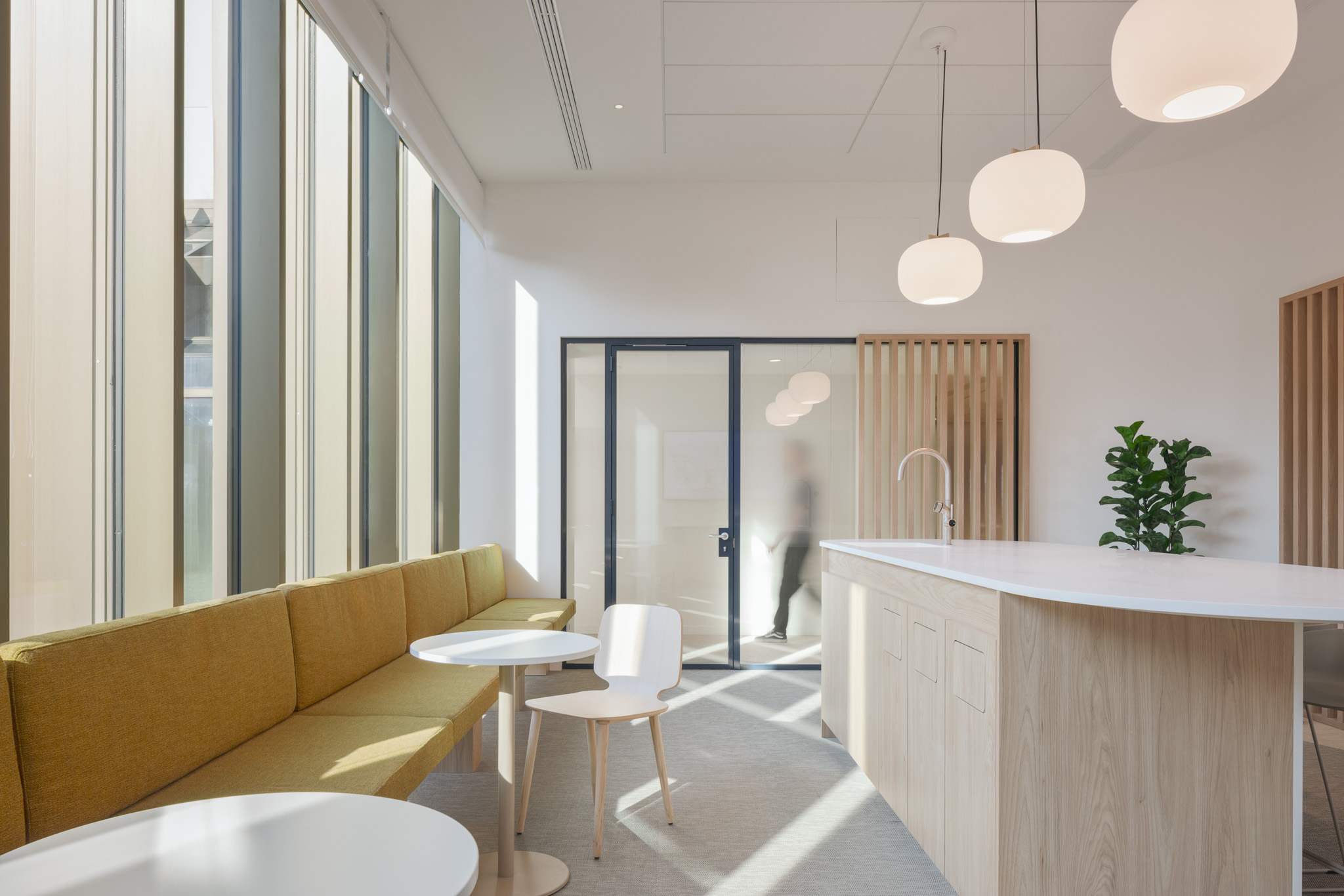
The integration of biophilic elements represents one of the project's most distinctive characteristics. The strategic placement of plants and vegetation enhances occupants' physical and psychological wellbeing. The internal courtyard becomes an urban green sanctuary where people can reconnect with nature and find moments of renewal.
Light serves as another fundamental element that unifies and enhances interior spaces. The thoughtful use of natural light filtering through the environments creates seamless continuity between interior and exterior spaces, while glazed walls ensure spatial transparency and visual connectivity. The project incorporates sophisticated lighting systems featuring designer LED fixtures equipped with intelligent control systems that respond to both occupancy and ambient light levels.
Colors and materials shape the work environment
The color selection is based on a nature-inspired palette that interprets brand identity in both subtle and immersive ways. Blue appears in various shades to promote calm and concentration while evoking sky and water, while neutral tones—beige, gray, and white—call to mind stone and sandy textures, harmonizing beautifully with wood's natural warmth to establish a reassuring foundation. Vibrant accents of ochre and orange punctuate the environment strategically, stimulating energy and creativity.
The finishes showcase sophisticated material design where every surface contributes to a rich sensorial experience. Wood appears throughout floors, ceilings, and decorative elements, creating dialogue with carefully selected textures and premium materials including tactile tatami that brings softness and natural character, refined porcelain and ceramic surfaces, contemporary metallic coverings, and natural fiber panels that enhance both acoustic and environmental comfort. Soft fabrics, light transparent draperies, comfortable upholstered seating, and enveloping sofas complete an environment that delivers both visual and physical wellbeing, creating a comprehensive ecosystem that supports various space utilization patterns throughout the workday.
Technological innovation, sustainability, and operational flexibility
Thoughtfully designed lounge areas, versatile workstations, informal gathering spaces, and seamlessly integrated technology transform the building into a true infrastructure for productivity and collaboration. The project weaves innovative solutions throughout the architecture to support evolving work styles while reinforcing Zurich's image as a forward-thinking company. Features include height-adjustable workstations, flexible collaboration zones, advanced technology in meeting rooms and common areas with integrated screens, and intuitive digital booking systems.
Sustainability consideration permeates every aspect of the design. The building has earned the most prestigious international certifications—LEED Platinum, WELL Bronze, and BREEAM Very Good—through the careful selection of low environmental impact materials, highly efficient technological solutions, cutting-edge geothermal systems, and optimized resource management.
The interiors rigorously meet the building's sustainability and comfort standards, with particular emphasis on air quality, acoustic performance, and the strategic integration of biophilic design throughout the entire space.
Photo: Davide Galli
Discover how Tétris can help you create a work ecosystem that enhances people's experience. Our experts will guide you from concept phase to final completion, offering personalized consulting for every type of office environment.