2026 marks a turning point in how we imagine and experience the world around us. Buildings are no longer just places where work or retail happens; they have become living systems that learn, flex and respond to human needs.
JLL’s Global Design Perspectives 2026 positions design as a new form of intelligence — one capable of fusing data, technology and empathy into environments that perform as hard as people do.
Across the globe, four ideas are reshaping that future: flexibility, connection, personalisation and outcomes. Together, they form a powerful blueprint for how organisations will create spaces that deliver both business value and human meaning.
1. Hardwired for flexibility: when space learns to think ahead
For years, flexibility meant movable desks and open floors. In 2026, it means much more — spaces are designed to intuitively adapt to whatever the future demands. As hybrid models evolve and AI reshapes roles overnight, 87% of corporate leaders in EMEA now rank business agility as a top C‑suite priority, transforming workplace design from a reactive accommodation into a proactive business tool.
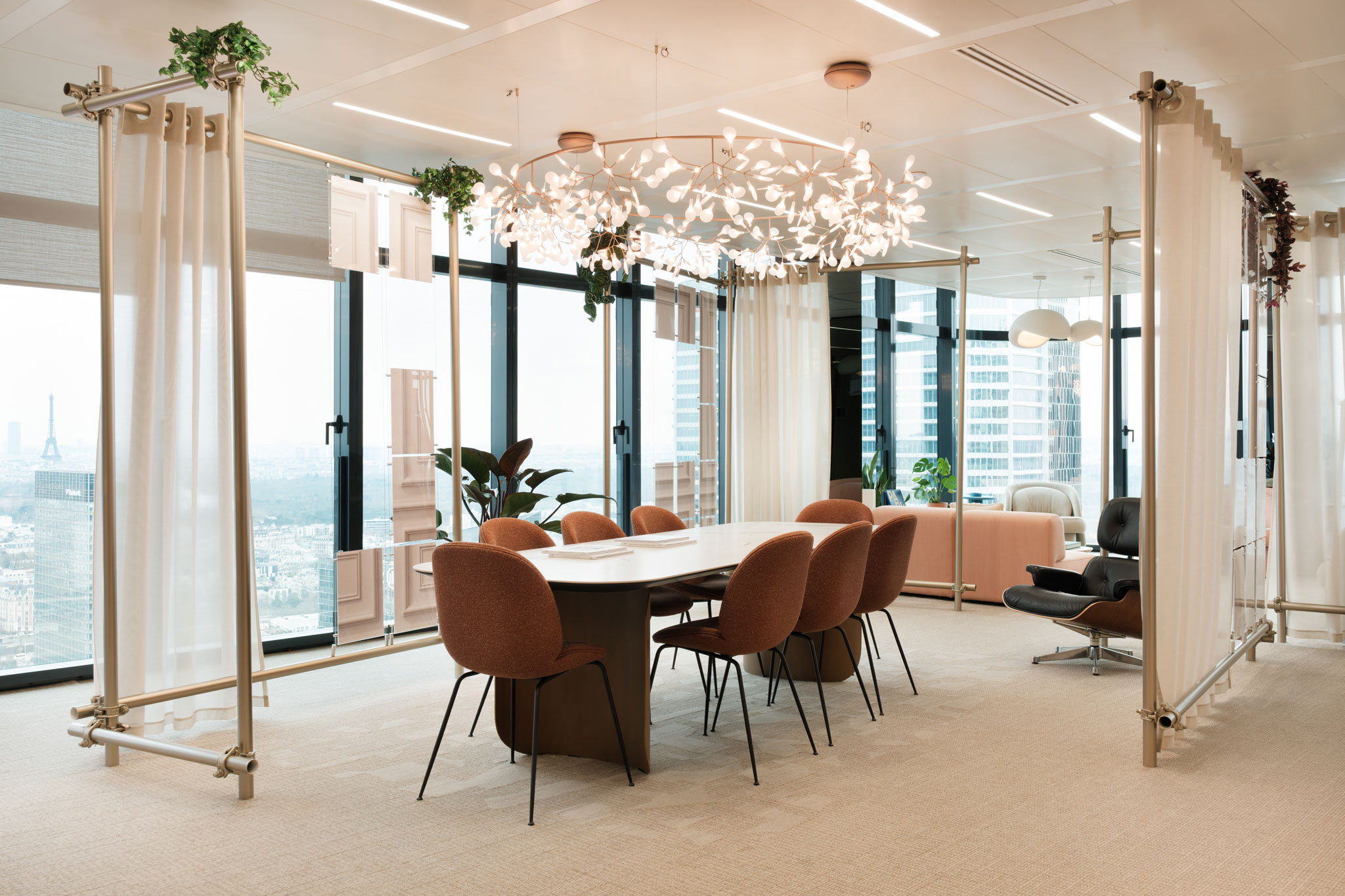
Tomorrow’s buildings will behave more like intelligent ecosystems with plug‑and‑play infrastructure, modular partitions and flexible systems that easily transform from collaborative lab to quiet zone in minutes, not months. Technology is the core of this adaptability: 93% of investors say technology‑enabled buildings outperform traditional ones, proving that adaptive design drives tangible financial return.
2. AI meets empathy: the return of human connection
We talk endlessly about automation, but what people value most is connection. As AI accelerates, a counter‑trend is flourishing: designing for human experience.
“We find that 64% of people in EMEA want the places to feel unique and 63% want them to reflect local culture — a powerful reminder that belonging matters more than bandwidth,” explains Ruth Hynes, Global Research Lead for Project & Development Services at JLL.
Designers are responding with neuro‑design principles that evoke comfort and creativity through light, texture and sound. Natural materials, soft acoustics and daylight are being engineered as carefully as digital systems.
Burnout from constant online engagement is real: more than 62% of consumers now seek technology‑free “detox zones” where they can step back from screens and rediscover analogue spaces.
Consumers and employees alike are calling for environments that restore, not just perform. Workplaces that balance high tech with high touch are quietly becoming the most future‑proof places of all.
3. Evolving personalisation: experience has no average setting
In the last decade, personalisation reshaped retail and media. In 2026, it reshapes space. Picture offices that adjust lighting to your mood, hotel lobbies that greet you by preference and retail experiences that combine AI‑driven curation with hospitality warmth.
“This shift is driven by nuanced priorities. Younger generations embrace digital personalisation — AI tools and immersive environments that customise every interaction — while older cohorts value spaces that feel welcoming and human, with the warmth of genuine hospitality,” explains Hynes.
The smartest organisations are designing for both. Rather than dividing audiences by age or technology adoption, they are creating journeys with choice. Think mood‑based lighting, AI concierge systems and flexible zones that toggle between real‑world and digital experiences.
In retail, this translates to hybrid stores where online precision meets sensory storytelling. In workplaces, personalisation amplifies engagement — aligning routines, wellbeing and collaboration through integrated systems that actually understand behaviour.
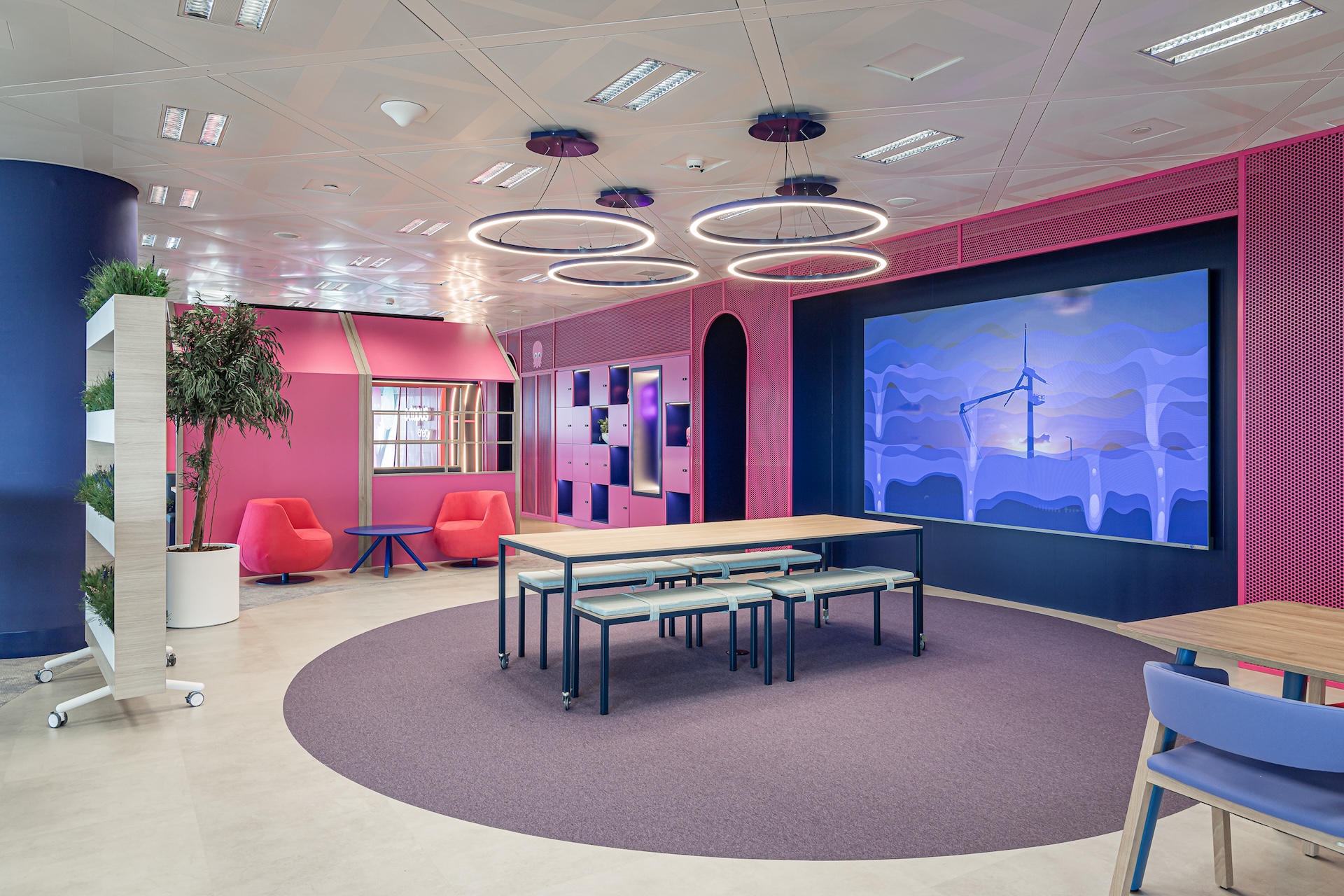
In short, personalisation is no longer an amenity — it is the new definition of human-centred design.
4. From activities to outcomes: the connected workplace
The conversation around the workplace has shifted completely. It is no longer “What do people do here?” but “What do people achieve here?” JLL’s research shows 92% of corporations cite productivity as a top priority for the next three years, yet employees still say their environments fall short when it comes to inspiration and wellbeing.
That gap defines the next design frontier. “The most successful workplaces are emerging as interconnected ecosystems where spatial design, digital systems and social behaviours reinforce one another. When environments are tuned correctly, balancing collaboration, focus and social connection, they can significantly strengthen how teams coordinate, create and perform,” explains Adrian Davidson, JLL Design Lab, Global Lead.
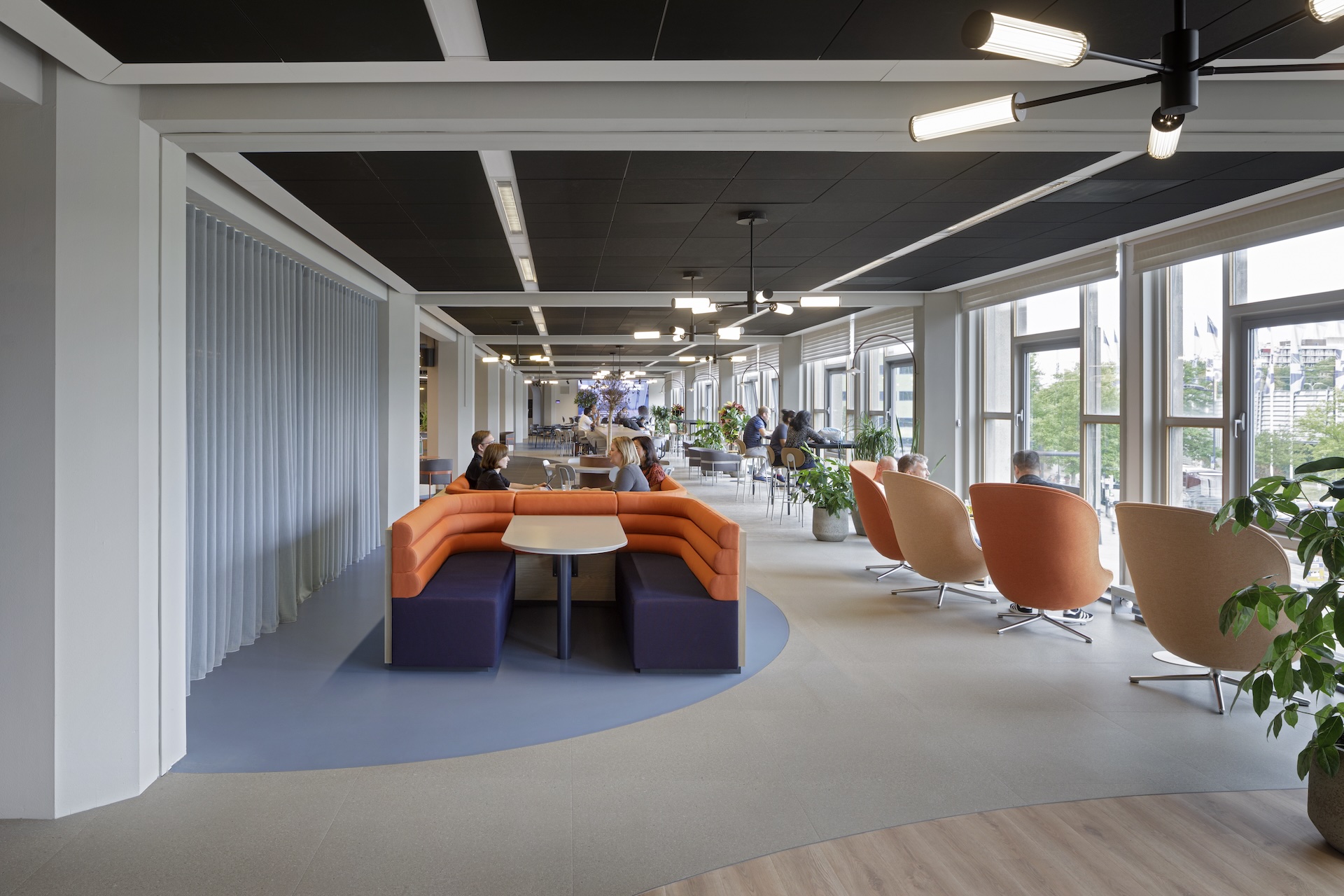
To measure success, organisations are moving beyond utilisation rates to track team performance, creativity and connection. In other words: the metrics of meaning.
The spaces that thrive in 2026 will not just host work; they will accelerate it.
Where performance meets purpose
Across all four perspectives, one truth stands out: design has evolved from accessory to advantage. Real estate leaders are aligning capital planning with adaptability, measuring space through both its human and financial returns, and viewing every building as a living platform for innovation.
The future of design belongs to those organisations that build with flexibility and empathy — willing to treat a floor plan as a living system and a workplace as a catalyst.
Because in 2026, the smartest spaces are not just efficient. They connect us. They evolve with us. And most importantly — they remind us that great design, at its core, is still about being human.
Download the full report below to learn more: