Tétris delivers a new benchmark in circular furniture for JLL’s London flagship
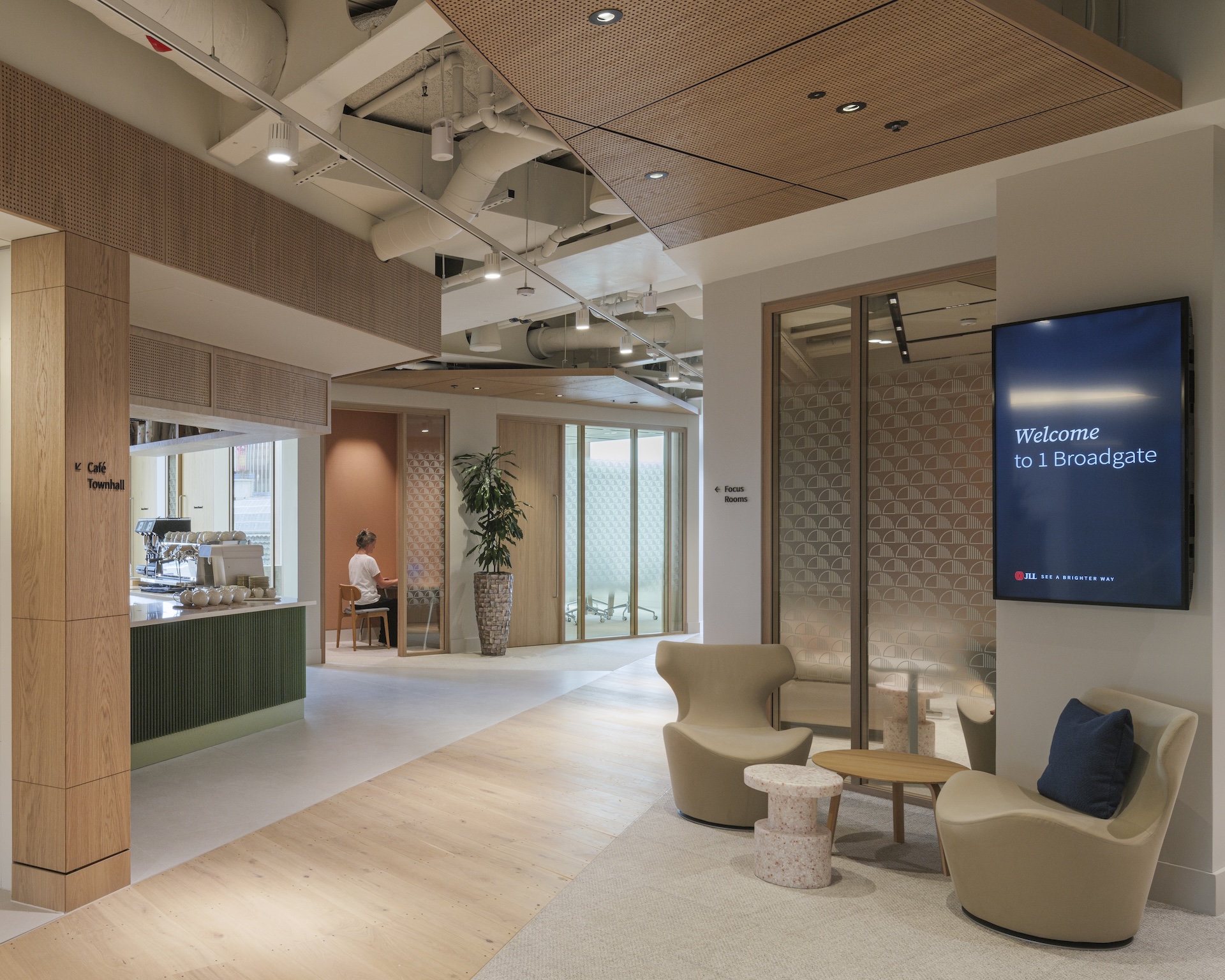
For its new UK flagship office at 1 Broadgate, JLL set a bold ambition: to create a benchmark for circular and inclusive workplaces. As a key delivery partner for this major office fit-out in London, JLL challenged Tétris to deliver the workplace furniture strategy. Our circular furniture solutions turned this vision into a tangible reality, proving that a sustainable approach is a powerful commercial advantage. Spanning 90,000 sq ft, the space demonstrates what happens when ambitious environmental targets meet deep market expertise.
A circular furniture strategy for a London flagship
The project started from a fundamental challenge: to deliver a 50% embodied carbon reduction against JLL’s fit-out baseline. This required a radical rethink of procurement, challenging standard practice by looking first to JLL’s existing assets within its own estate, then to the reuse market. The goal was to reverse the typical 80/20 new-to-reused furniture ratio where most clients accept 20% reuse; we aimed (and delivered) more than triple what’s typical, setting the bar for ambition at national scale. Our aim with furniture was to test what the reuse market was actually capable of – to see how far we could push sustainability and circularity, and to do things differently at scale.
The project included a detailed review of existing assets across three London sites: two JLL locations and LaSalle’s office. This internal portfolio provided a significant foundation of high-quality furniture that we could assess, refurbish where needed and reintegrate into the new flagship.
This wasn’t simply about relocating furniture; it required elevating our approach to maximise the value of existing items while establishing new specification standards.
Getting this right required deep operational expertise. The practicalities of reuse introduce a new level of specification complexity: asset condition assessments, refurbishment viability, logistics coordination, phased installation timelines, and managing live workplace transitions while maintaining business continuity.
This ambition was the culmination of a multi-year partnership, where Tétris has delivered sustainable and circular furniture solutions across JLL’s UK portfolio. Each project, from the circular design principles at JLL’s Canary Wharf office in London to the carbon-conscious fit-outs in Birmingham and Leeds, served as a proving ground, allowing us to refine our processes and deepen our expertise in circular procurement.
When a client’s values and the Tétris furniture solutions team’s expertise align, the result transcends conventional procurement. True circularity is possible at scale – but it requires partnership, patience, and prioritising value, not just cost or speed.
Beyond furniture: A new chapter in workplace experience
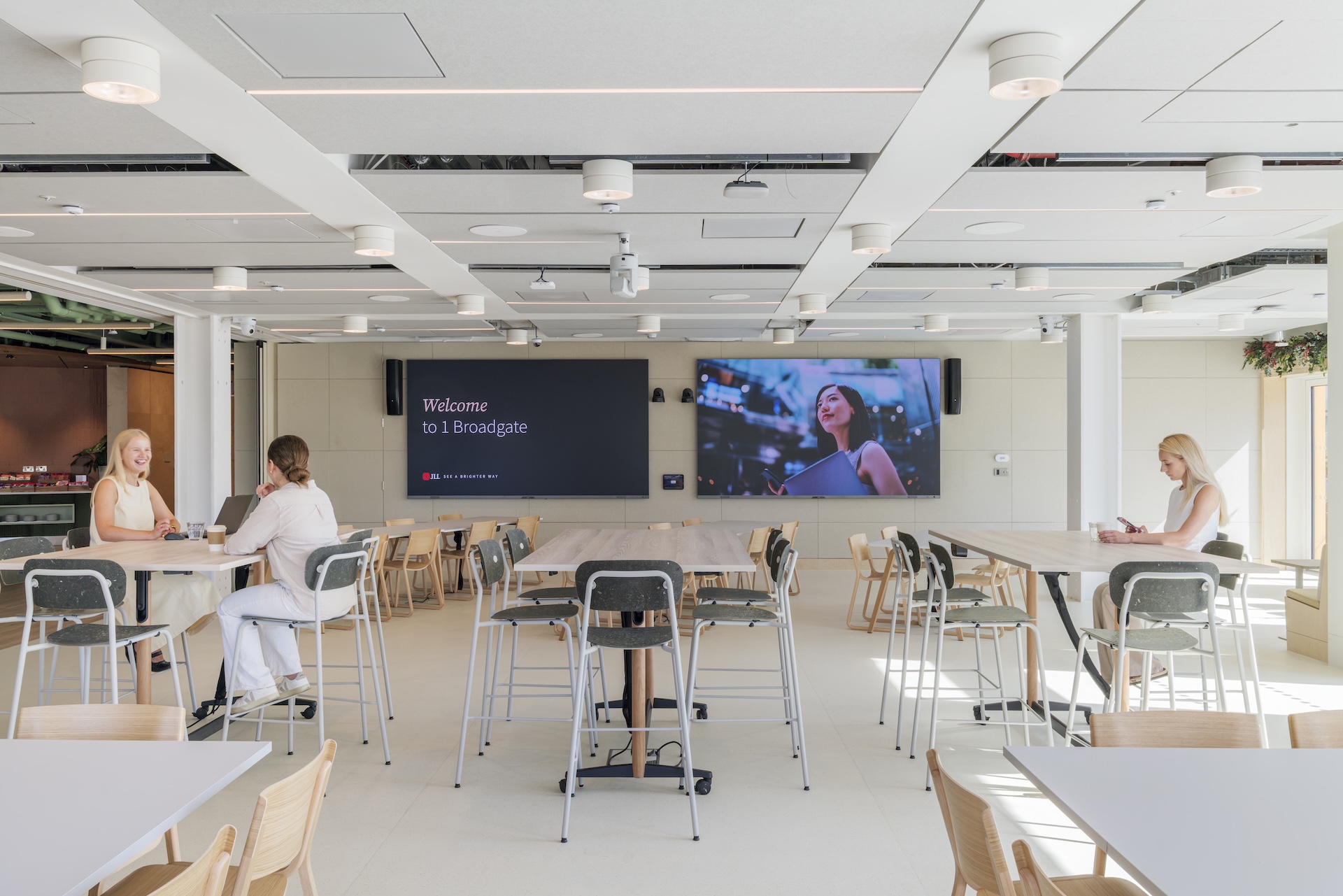
The move to JLL 1 Broadgate marked more than just a new location; it was an opportunity to create a living example of the strategies JLL and Tétris deliver for clients. The furniture played a central role in this narrative. It needed to be more than just functional; it had to tell a story of innovation and demonstrate long-term value.
Our solution was to embed storytelling into the workplace through the assets themselves. Each piece of reused office furniture becomes a tangible proof point of JLL’s commitment. This transforms the office into an immersive case study for visiting clients and a source of pride for employees, showcasing a new standard for sustainable office furniture in the UK.
Bringing circularity to life, one piece at a time
To make the concept of a circular economy tangible, we focused on sourcing items with a unique history. These pieces invite colleagues and clients to connect with the brand’s values on a deeper level.
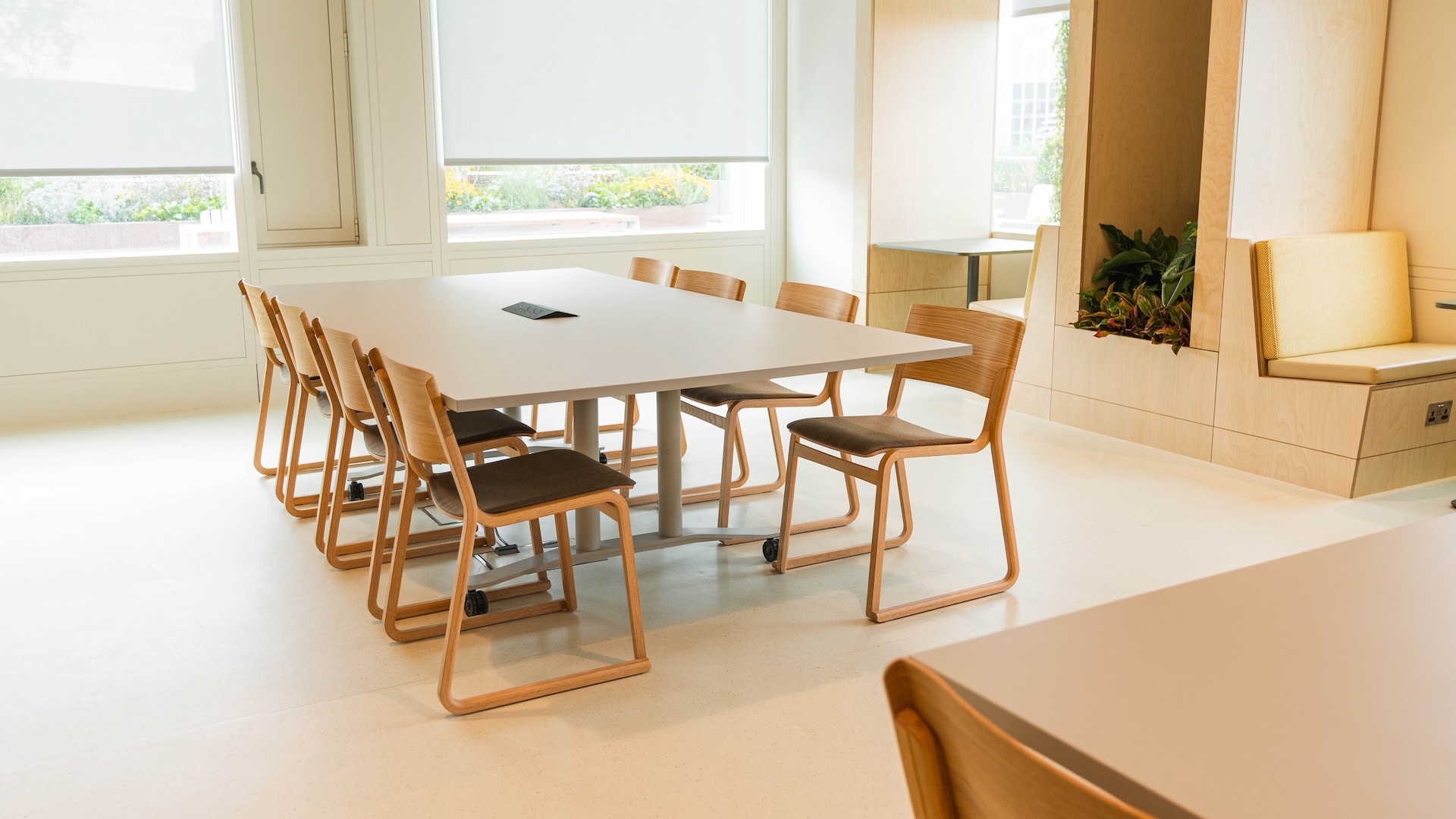
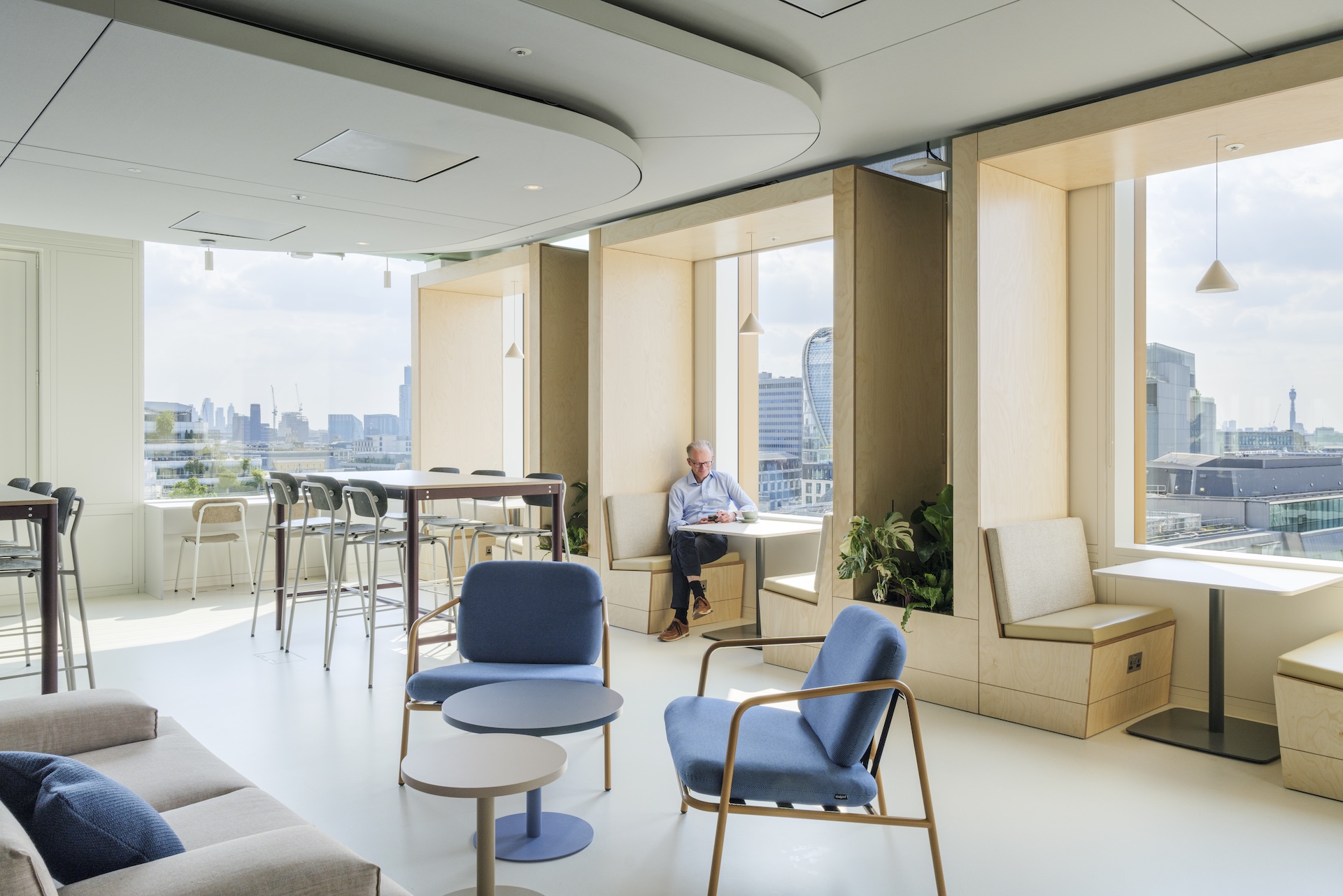
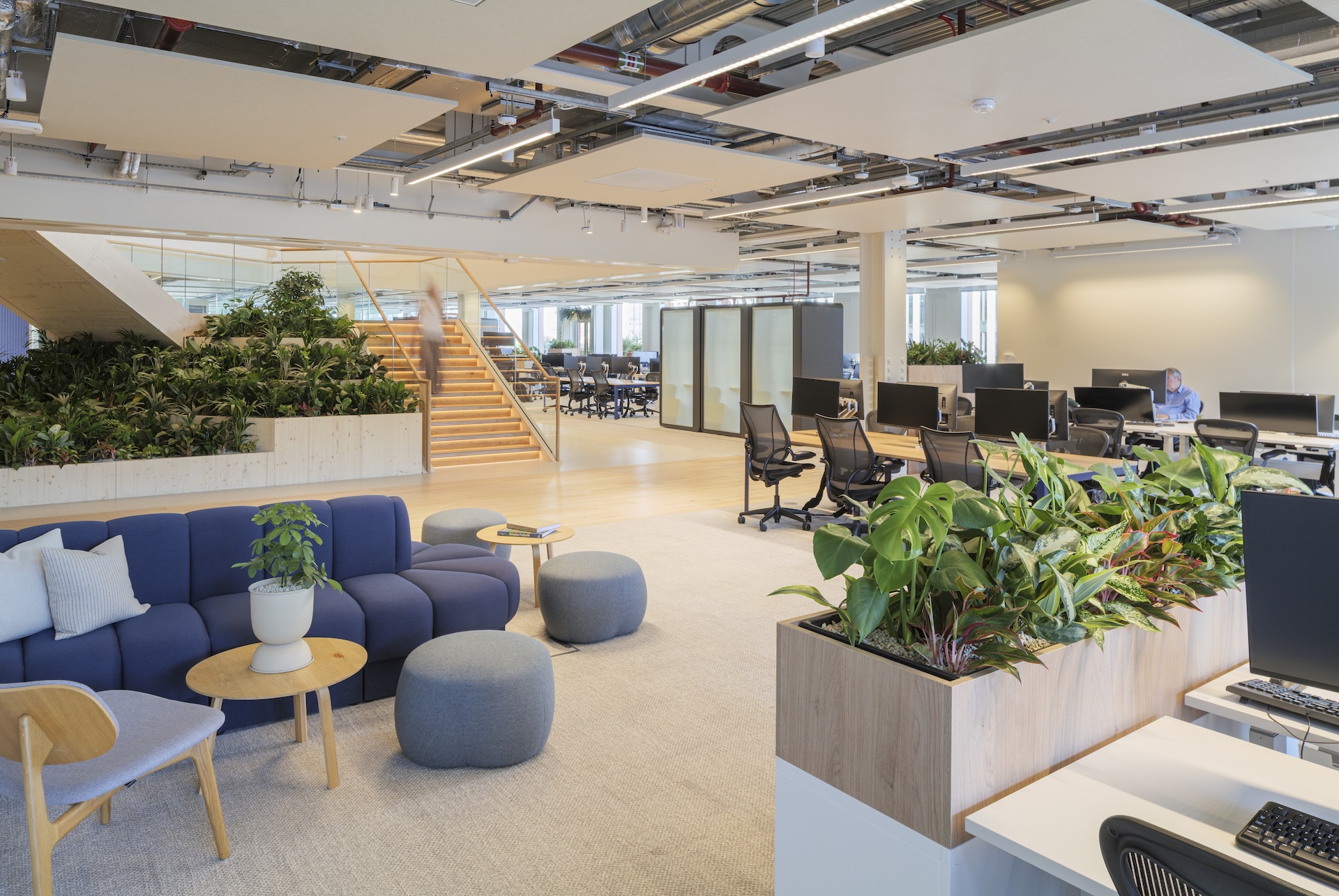
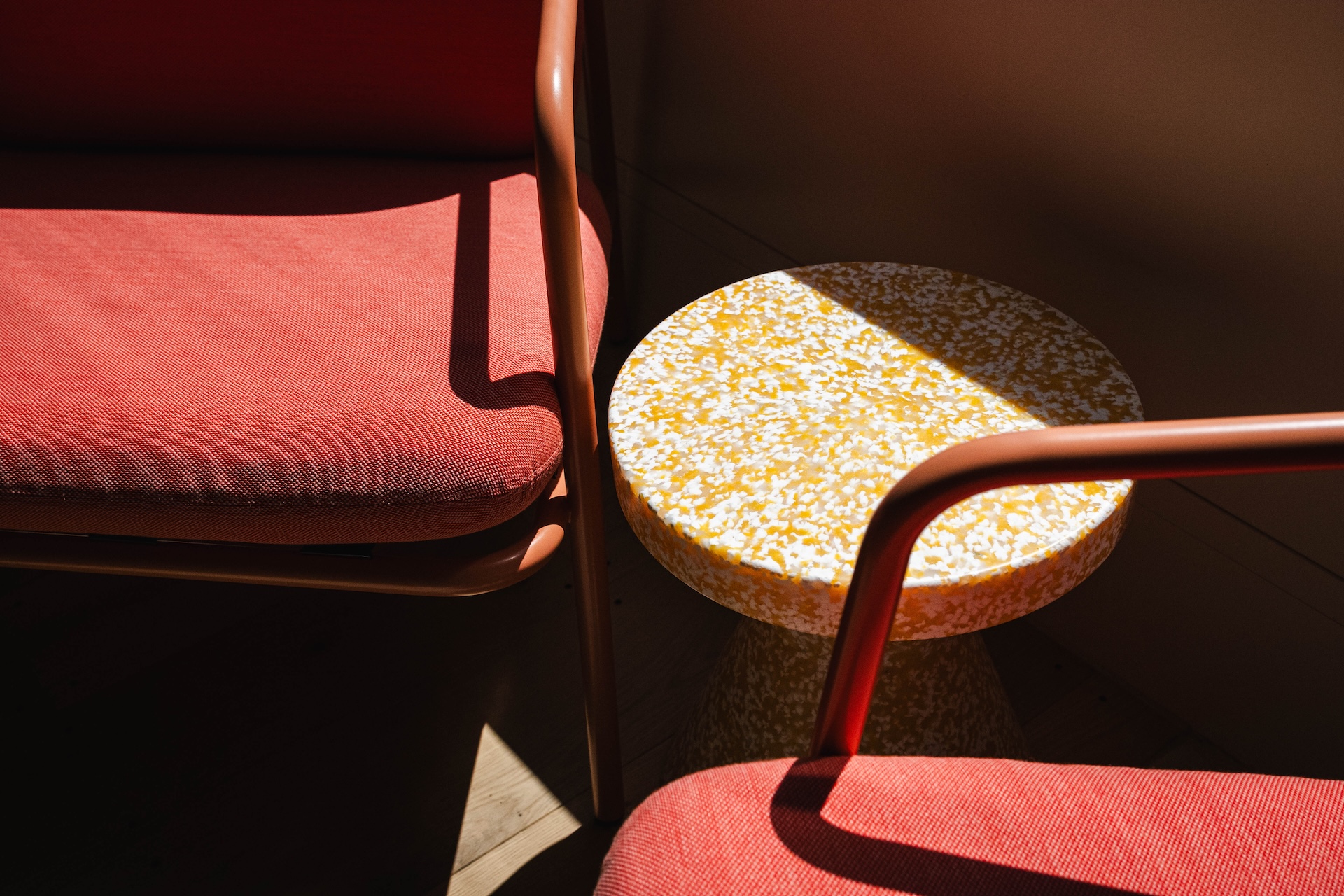
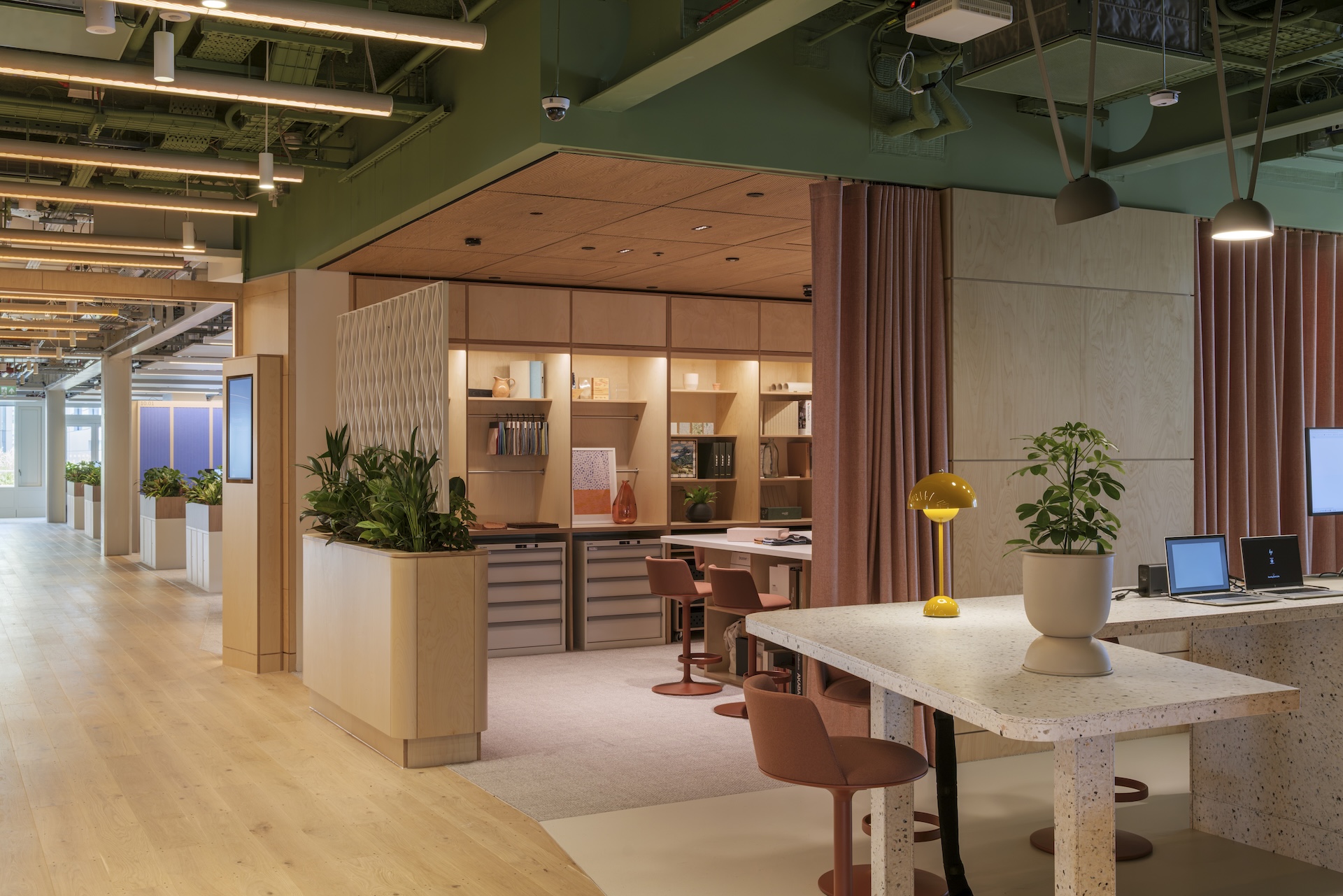
We sent pre-loved sofas back to their original factory in North London to be reupholstered, saving them from landfill. We carefully selected premium design classics from brands such as Vitra and Fritz Hansen reuse and refurbishment, proving that quality, durable design can be given a second life. We even repurposed old cupboard doors into stylish tables, demonstrating a practical approach to urban mining furniture from within the client’s own estate. Norman Copenhagen’s BIT stools – made from post-consumer plastic, including old washing machines – feature in the office and show what’s possible for circular materials and design.
Ojmar lockers were fast-tracked through development for use at 1BG, driving industry innovation. Powered by kinetic energy and booked via an app, the deliver operational benefits.
Reuse and refurbishment are not just green actions – they build local skills, foster belonging, and deliver visible impact for people, clients and the community. We used local refurbishers and SMEs for the majority of upcycling work. Many invested in apprenticeships and crafts skill-building, which are declining trades in the UK. Every procurement decision asked: does this partner support local skills, upskilling, and social outcomes?
Data-driven procurement and market expertise
Rigorous verification guided material selection. Our team began by auditing over 3,400 of JLL’s existing assets to assess their potential for reuse.
One of the biggest challenges was obtaining consistent and reliable sustainability information across hundreds of furniture products and dozens of suppliers. The market is not yet set up for this level of digital transparency, and supplier data was often patchy or unsupported by robust evidence. To address this, we collaborated with the JLL Design Lab, using a proprietary platform, the JLL Design Loop Library, to evaluate every piece of sustainable office furniture against up to 16 criteria, including carbon and material health.
We collected sustainability information directly from more than 70 supplier partners, reviewed supporting documentation such as EPDs, FSC certifications, recycled content declarations and take-back schemes, and verified submissions before we considered for specification. This meant gathering, cross-checking, and tracking hundreds of furniture product variants, often one by one. Collaboration with suppliers was crucial, and this made all the difference in developing a usable decision-making framework.
We managed sustainability data via a bespoke carbon and circularity tracker (supplemented by the JLL Loop Library for cross-comparison), then verified it with input from the sustainability consulting team. We recorded every decision, from product selection to logistics to end use, for audit and BREEAM/WELL documentation.
We combined this data-driven process with trusted supplier relationships, allowing us to navigate the volatile reuse market and secure high-quality pieces, often within 48 hours.
Setting a new standard for sustainable office furniture in the UK
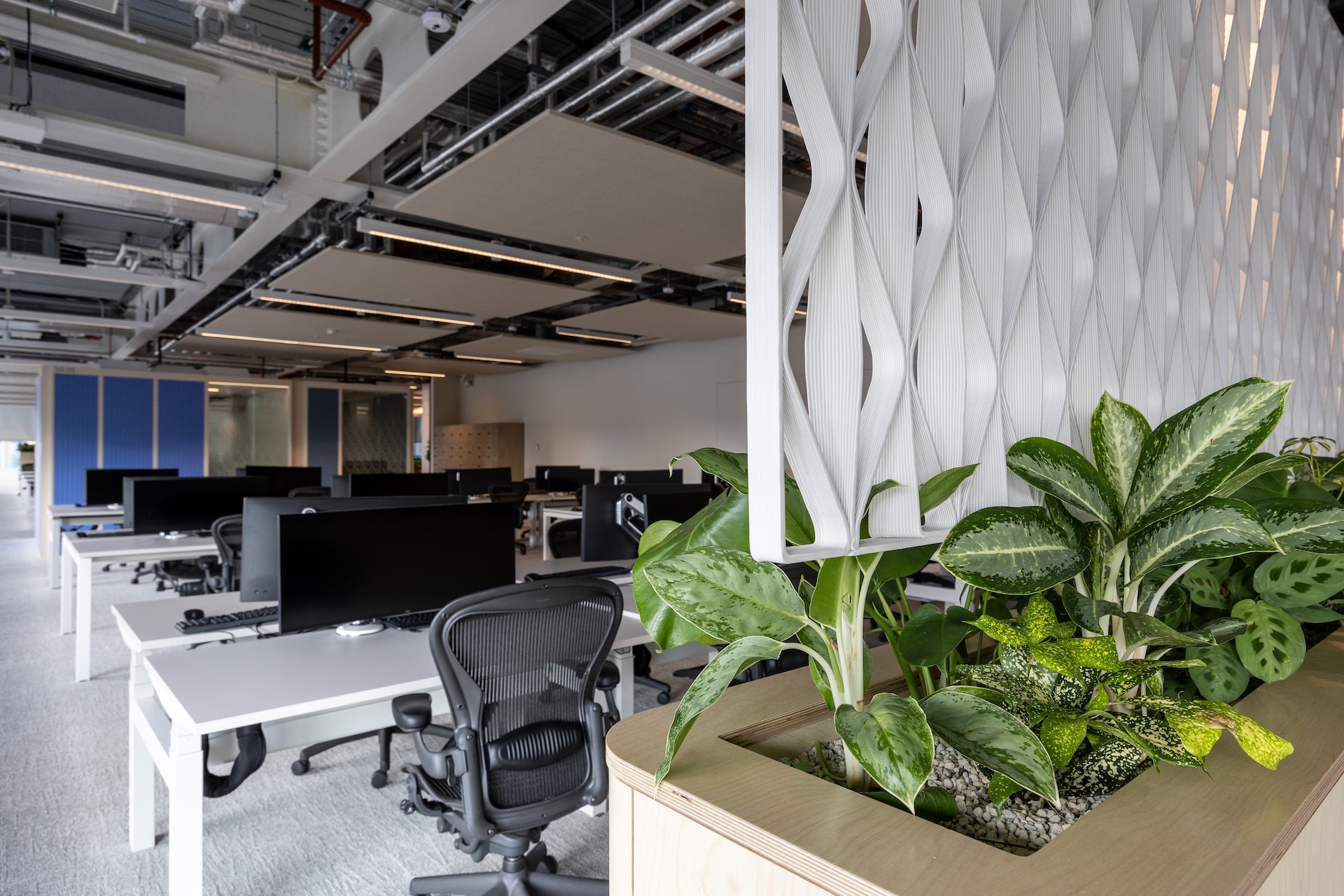
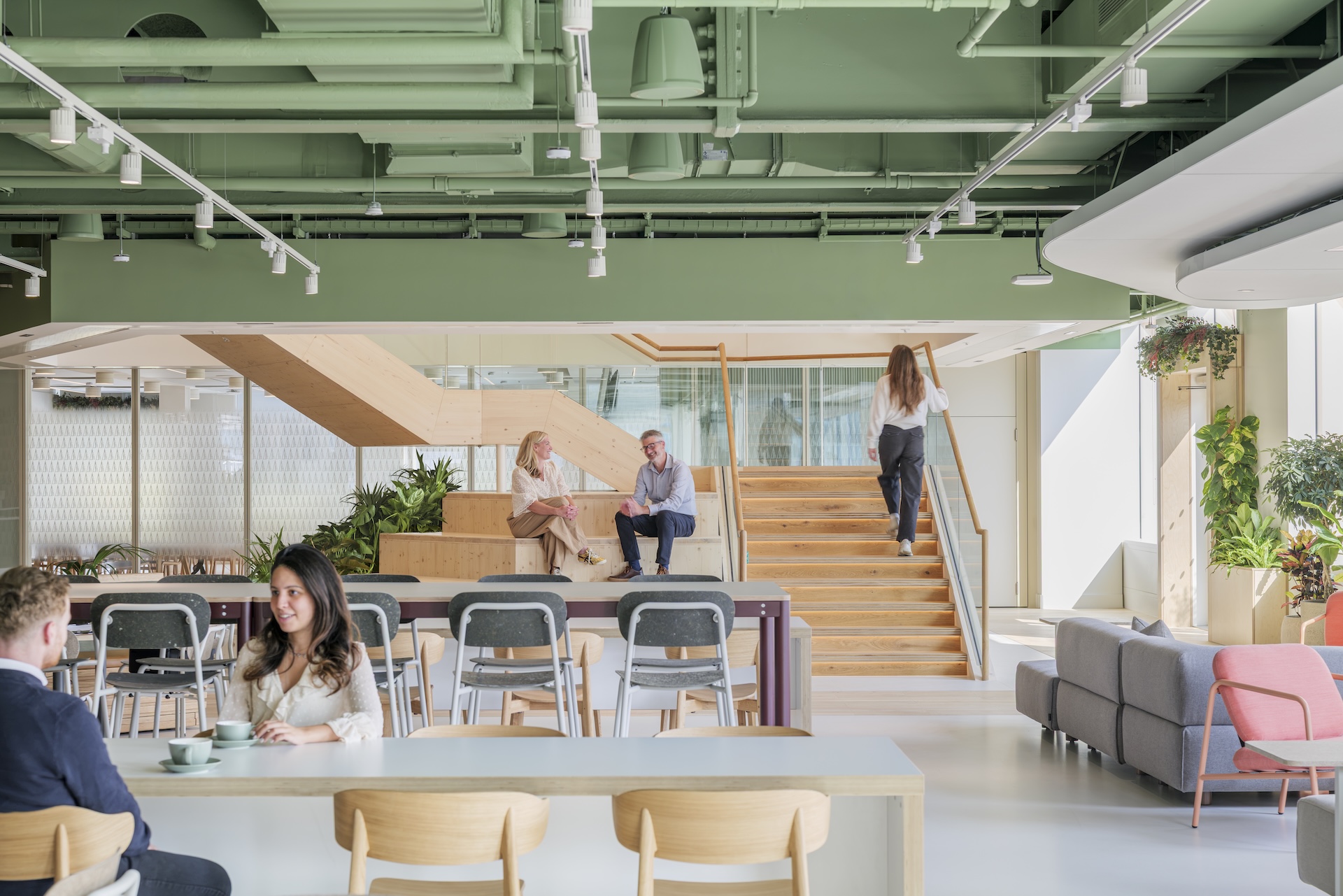
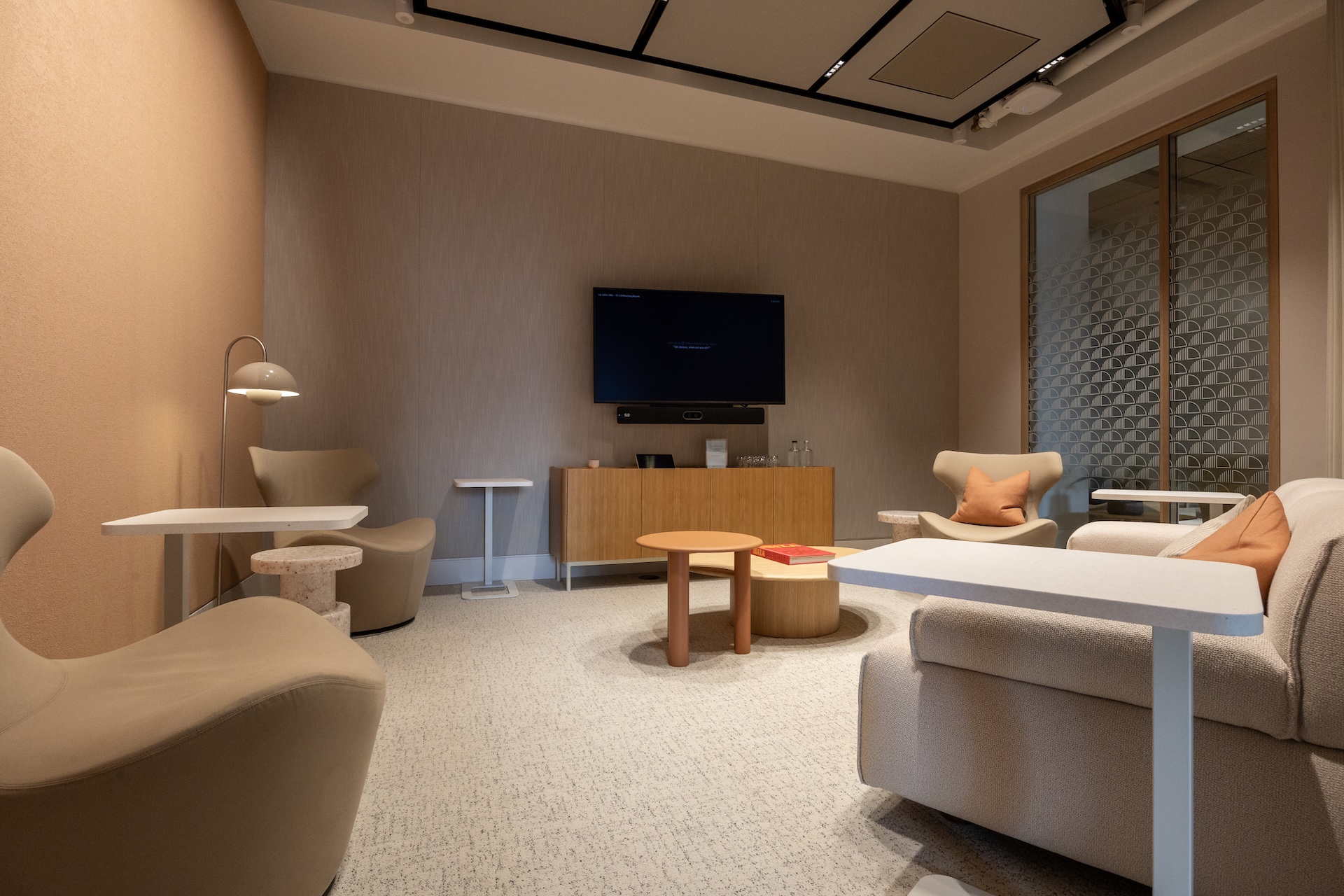
More than just a collection of assets, the furniture at 1 Broadgate helps create a more thoughtful and human-centred work experience. This successful circular furniture solution provides a layered and authentic aesthetic, moving away from a generic corporate feel to a space with character.
The project proves that an ambitious workplace furniture strategy is commercially and operationally viable. Despite immense logistical and quality hurdles, the sheer volume of reused, remanufactured, or upcycled furniture is significant – over 70% of the furniture is second life. Finding, tracking, moving, and refurbishing every item – often using different specialists for each process – has set a new standard for sustainable delivery, proving it’s possible to prioritise carbon and social value at commercial scale.
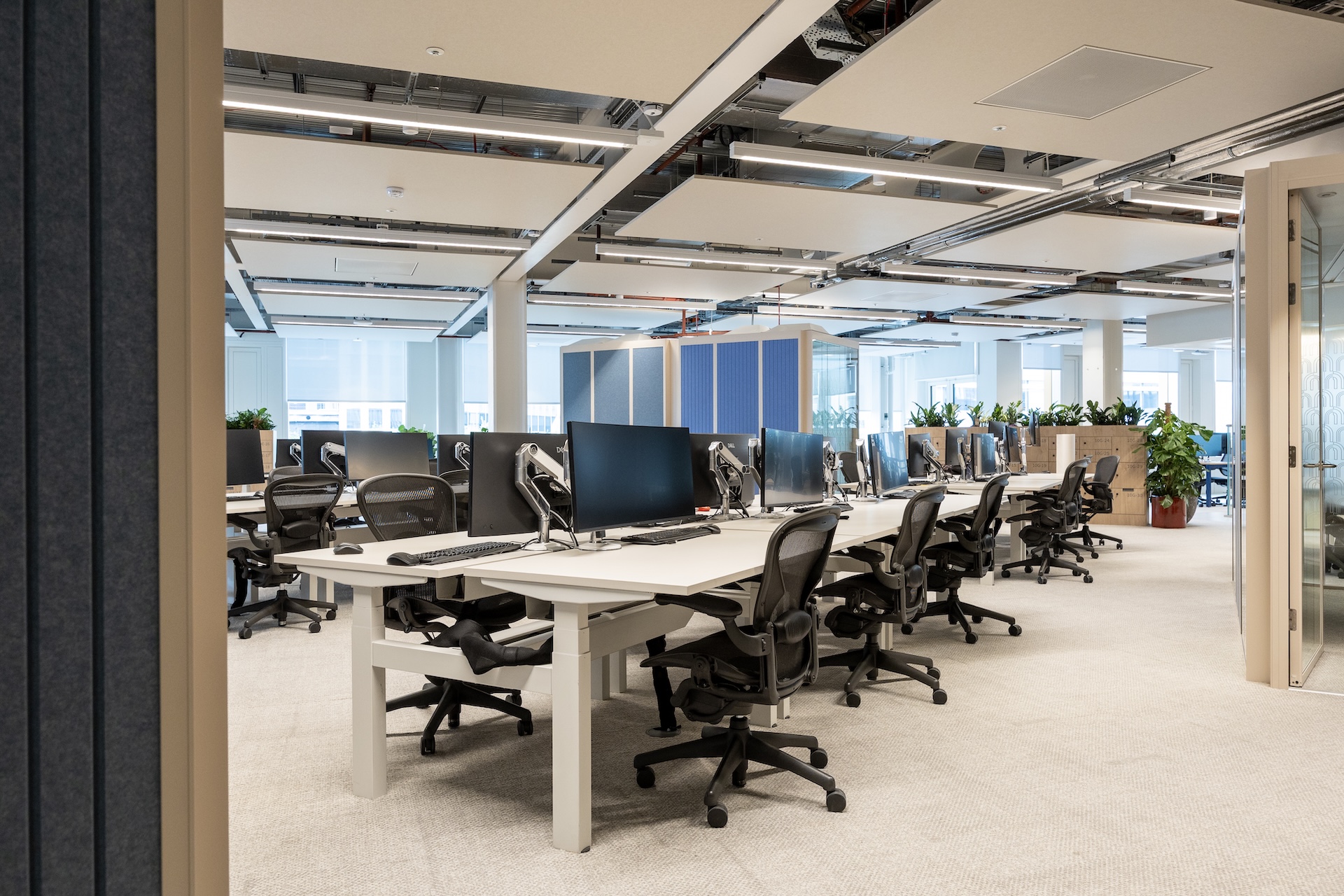
Of the second-life furniture sourced, 100% of all task chairs and over 50% of meeting and loose items from reuse, contributing to a saving of 500 tonnes of carbon for the project.
This workplace now stands as a powerful testament to what’s possible when ambition meets evidence. By establishing digital product intelligence as the new standard for sustainable fit-out, this project moves the entire sector forward. Tetris has proven that rigorous transparency, supplier collaboration, and measurable impact can be embedded at scale.
Going forward, both JLL and our clients can set higher ambitions with confidence – knowing that every decision, every impact, and every improvement can be measured, shared, and built upon.
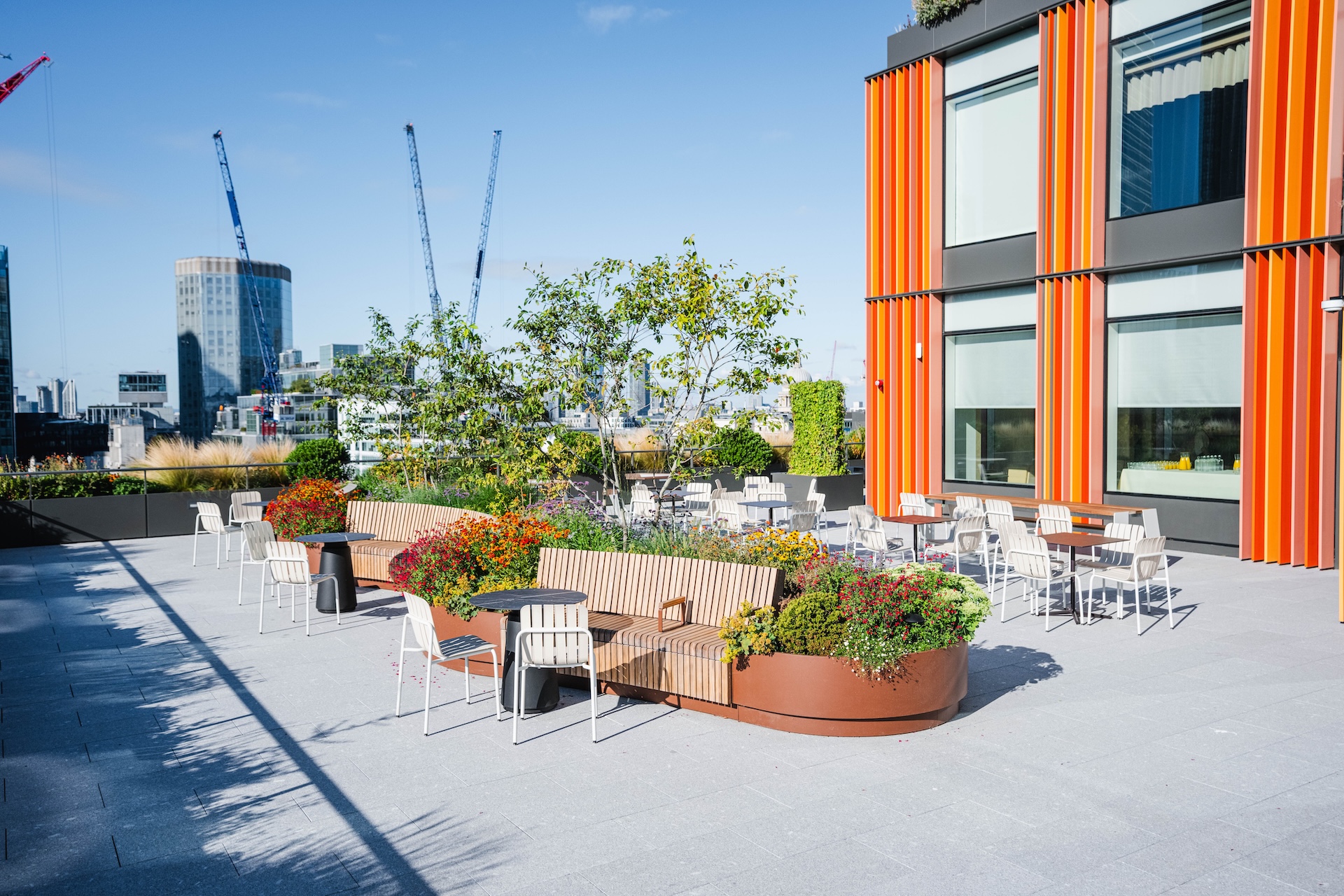
Dive deeper into 1 Broadgate
Discover how sustainability, wellbeing, inclusivity and experience came together across JLL’s 1 Broadgate flagship office.
Interested in a circular furniture solution for your office?
Discover how Tétris delivers sustainable office furniture across the UK through circular procurement and workplace furniture strategy. Contact our team to discuss your office fit-out project.